Evaluating Warlock: A Strategic Analysis of Bold Blackletter Typography for Modern Branding
In the landscape of contemporary graphic design, typography serves as the primary vehicle for brand identity. When a project demands immediate visual impact, authority, and a distinct historical resonance, designers often turn to blackletter typefaces. Among these, Warlock has emerged as a compelling option for professionals seeking to merge medieval aesthetics with modern legibility. This analysis explores the functional characteristics of Warlock, its strategic applications in branding and packaging, and how it compares to broader typographic categories to help you determine if it is the right tool for your specific creative requirements.
Defining the Characteristics of Warlock
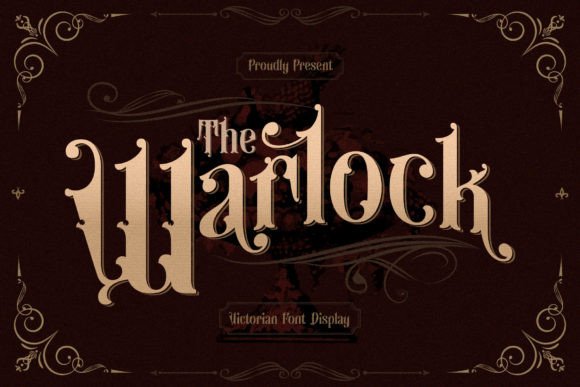
Warlock is not merely a decorative font; it is a structured display typeface designed to command attention. Its classification as a blackletter or gothic script places it within a lineage of calligraphic traditions that date back to the Middle Ages. However, unlike rigid historical reproductions that can feel archaic or difficult to read, Warlock offers a refined interpretation of this style. It features sharp, angular terminals and consistent stroke weights that create a sense of rhythm and movement across a line of text.
The distinctiveness of Warlock lies in its balance between ornate detail and structural clarity. The serifs are pronounced yet controlled, providing a "bold and daring" presence without sacrificing the integrity of the letterforms. For designers evaluating typefaces, this balance is critical. A font that is too stylized may hinder readability, while one that is too conservative may fail to convey the intended emotional weight. Warlock occupies a middle ground where stylistic flair enhances rather than obscures the message.
- Visual Weight: The heavy x-height and thick vertical stems give the font substantial presence on the page.
- Geometric Precision: The angles are calculated to ensure consistency, which is essential for high-end branding.
- Versatility in Scale: While primarily a display font, its internal spacing allows for effective use in headlines and short body copy contexts.
Strategic Applications in Branding and Packaging
When considering where Warlock fits within a project scope, it is important to look beyond simple aesthetic preference. The choice of a typeface like Warlock signals specific values to the consumer. In the context of product packaging, particularly for artisanal goods, craft beverages, or luxury items, the font acts as a visual shorthand for quality and heritage.
Product Packaging Design
Packaging is a competitive medium where shelf presence dictates initial engagement. Warlock’s bold nature ensures that a product stands out in crowded retail environments. For example, a craft beer label or a premium spirits bottle benefits from the authoritative tone that blackletter fonts provide. The font suggests tradition and craftsmanship, qualities that resonate with consumers looking for authenticity. However, the designer must be cautious about overuse. Using Warlock for extensive paragraphs of text will fatigue the reader; instead, it should be reserved for logos, main titles, and key selling points.
Brand Identity Systems
For brands aiming to project strength, mystery, or exclusivity, Warlock offers a distinctive voice. It is particularly effective in industries such as entertainment, gaming, or fashion, where a strong visual identity is paramount. The font’s ability to evoke a sense of the dramatic makes it suitable for event posters, album covers, and editorial layouts that require a striking first impression.
When integrating Warlock into a broader brand system, consider pairing it with simpler, sans-serif typefaces for secondary information. This contrast creates a hierarchy that guides the eye effectively. The stark difference between the ornate Warlock and a clean, neutral font allows each element to perform its function without competing for attention.
Comparative Analysis: Warlock vs. Other Typographic Approaches
Evaluating Warlock requires placing it in conversation with other typographic strategies available to designers. Understanding these differences helps clarify when Warlock is the optimal choice and when alternative approaches might serve the project better.
Blackletter vs. Serif Typefaces
Traditional serif fonts, such as Garamond or Baskerville, also convey elegance and tradition. However, they do so through a lens of classical refinement rather than dramatic intensity. If a brand needs to appear trustworthy, established, and approachable, a classic serif may be more appropriate. Warlock, by contrast, introduces an edge. It is less about quiet confidence and more about bold statement-making. The tradeoff here is legibility at small sizes; while Warlock is readable in large formats, it lacks the fine-detail resolution that makes traditional serifs ideal for long-form reading.
Blackletter vs. Modern Display Fonts
Modern display fonts often rely on unique shapes, unusual proportions, or experimental features to stand out. These fonts can feel trendy but may lack the timeless appeal of a well-crafted blackletter. Warlock bridges this gap by offering a historical style that feels contemporary due to its precise execution. Unlike some modern displays that prioritize novelty, Warlock prioritizes structure. This makes it a safer choice for brands seeking longevity in their visual identity, as it avoids the pitfalls of fleeting design trends.
Handwritten Scripts vs. Structured Blackletters
Handwritten scripts offer a personal, human touch, which can be appealing for lifestyle brands. However, they often suffer from inconsistency and limited character sets. Warlock provides the artistic flair of a script with the reliability of a structured typeface. Every 'A' or 'B' maintains the same geometric logic, ensuring consistency across all marketing materials. For businesses that need scalable assets, this structural integrity is a significant advantage over purely decorative handwritten fonts.
Decision Factors: When to Choose Warlock
Selecting the right typography involves assessing the specific needs of the project against the capabilities of the font. Warlock is not a universal solution, but it excels in specific scenarios. Below are key decision factors to consider during the evaluation process.
- Desired Emotional Tone: Does the brand need to feel powerful, mysterious, or historic? If yes, Warlock aligns well with these attributes. If the goal is friendliness or minimalism, other options may be preferable.
- Usage Context: Will the font be used primarily in large formats such as billboards, signage, or packaging headers? Warlock thrives in these contexts. For dense text blocks, it is generally unsuitable.
- Target Audience: Consider the demographic preferences of the end-user. Audiences familiar with gothic aesthetics or those seeking premium, artisanal experiences may respond positively to Warlock’s style.
- Compatibility Needs: Ensure that Warlock pairs effectively with other fonts in the design system. Test combinations early to verify that the contrast between Warlock and supporting typefaces creates harmony rather than chaos.
Limitations and Practical Considerations
No typeface is without its limitations, and Warlock is no exception. One primary constraint is its limited utility in digital interfaces. Due to its complex details, Warlock may render poorly on low-resolution screens or when scaled down too far. Designers working on mobile-first projects should exercise caution, reserving the font for hero images or static banners rather than interactive elements.
Additionally, the cultural connotations of blackletter fonts can vary. In certain contexts, these styles have been associated with exclusive or niche subcultures. It is important to conduct thorough research to ensure that the font aligns with the brand’s inclusive goals and does not inadvertently alienate segments of the audience. Professional judgment and sensitivity to cultural context are essential when deploying such a distinctive typeface.
Conclusion on Evaluation
Warlock represents a sophisticated choice for designers seeking to inject boldness and historical depth into their work. Its strengths lie in its ability to command attention while maintaining structural integrity, making it ideal for packaging, branding, and display purposes. By understanding its place relative to other typographic styles—such as traditional serifs, modern displays, and handwritten scripts—designers can make informed decisions that enhance their project’s overall effectiveness.
Ultimately, the decision to use Warlock should be driven by the specific narrative and functional requirements of the project. When used strategically, it transforms ordinary designs into memorable experiences, proving that typography is not just about reading, but about feeling. For those willing to embrace its bold character, Warlock offers a powerful tool for creating impactful visual communications.