Medieval Mystery: A Bold Blackletter and Celtic Typeface for Distinctive Branding
Typography is rarely just about reading; it is about feeling. When you select a typeface, you are choosing the voice of your brand before a single word is spoken. Among the vast library of digital fonts available today, Medieval Mystery stands out as a striking example of how historical aesthetics can be modernized for contemporary design needs. This bold, thick-lettered blackletter and Celtic font carries an undeniable weight. It commands attention, evokes history, and adds a layer of sophistication that standard sans serif fonts simply cannot replicate.
If you are a designer, entrepreneur, or content creator looking to inject character into your projects, adding Medieval Mystery confidently will yield results that resonate with audiences seeking authenticity and depth. The font’s unique blend of gothic structure and Celtic intricacy makes it a versatile tool for those willing to use it strategically. Below, we explore what makes this typeface special, where it shines brightest, and how to integrate it into your workflow without compromising readability or professional standards.
The Visual Personality of Medieval Mystery
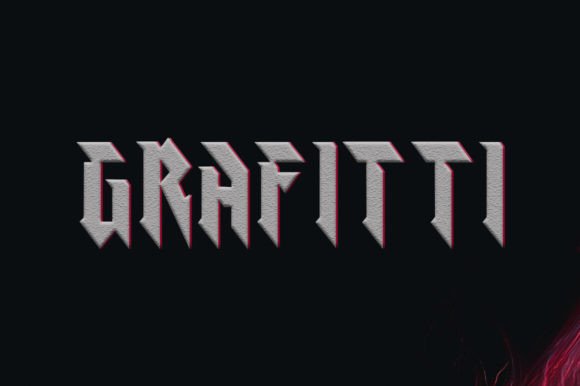
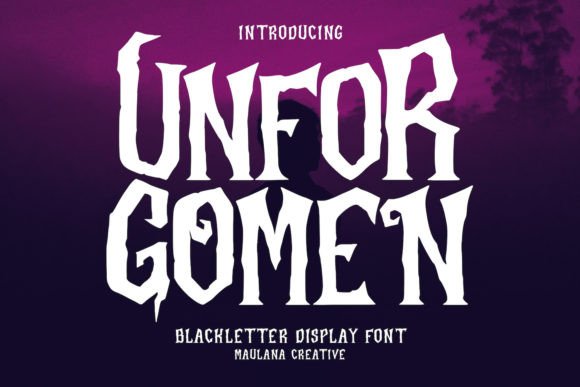
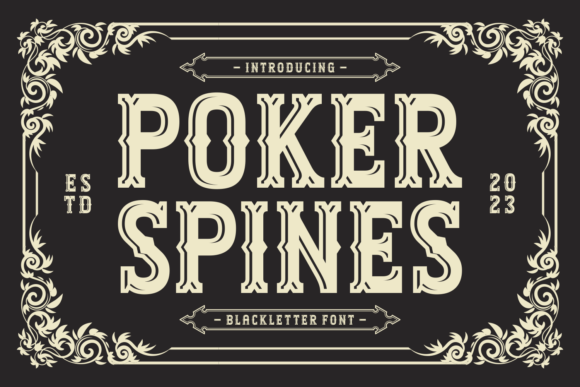
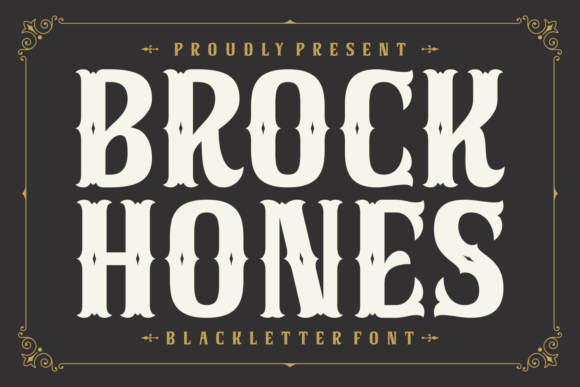
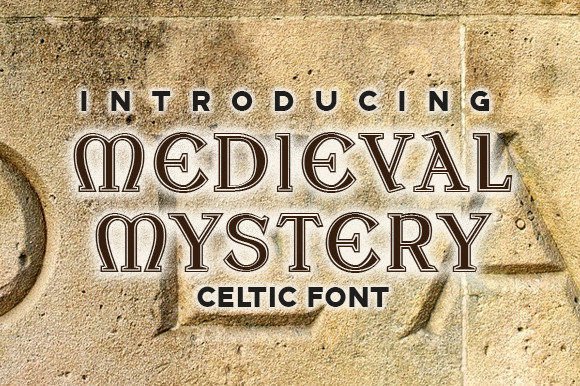
To understand why Medieval Mystery works, you must first appreciate its visual architecture. Unlike delicate script fonts or minimalist modern typography, this is a display font designed to make a statement. Its heavy stroke weights and sharp serifs create a sense of permanence and authority. The "blackletter" classification refers to the calligraphic style that dominated Western Europe during the Middle Ages, characterized by dense, vertical lines that mimic the look of illuminated manuscripts.
However, Medieval Mystery does not stop at traditional gothic forms. It incorporates Celtic elements—interlacing patterns and knotwork—that soften the rigidity of pure blackletter. This fusion creates a hybrid aesthetic that feels both ancient and fresh. The letters are thick and substantial, ensuring they hold their own against busy backgrounds or complex imagery. For small business owners and crafters, this means your logo or title text will remain legible and impactful even at smaller sizes, provided it is used correctly.
The overall appeal lies in its duality. It is mysterious enough to intrigue but structured enough to feel organized. This balance is crucial for brand identity. A brand that wants to convey heritage, craftsmanship, or mystique can borrow from these visual cues. Whether you are designing packaging for a boutique artisanal product or creating social media graphics for a fantasy-themed blog, the font provides an immediate contextual anchor. It tells the viewer, "This is something rooted in tradition, yet crafted with precision."
Strategic Applications Across Creative Industries
One of the most common mistakes designers make with decorative fonts like Medieval Mystery is overuse. Because it is such a strong personality-driven typeface, it demands respect. It is not intended for body copy or long-form editorial design. Instead, its power is unlocked when used sparingly as a headline, logo, or accent element. Here is where this creative font truly excels:
- Logo Design and Brand Identity: For breweries, distilleries, bookstores specializing in history or fantasy, and tattoo studios, Medieval Mystery offers instant recognition. The bold lettering ensures scalability, meaning your logo will look just as good on a large storefront sign as it does on a tiny bottle cap. The Celtic touches add a touch of elegance that elevates the perceived value of the brand.
- Packaging Design: In a crowded marketplace, shelf presence is everything. A premium font like Medieval Mystery can transform ordinary packaging into a collector’s item. Imagine a label for a craft beer, a specialty spice blend, or a luxury candle. The dark, intricate lines contrast beautifully with cream, gold, or deep navy backgrounds, creating a tactile visual experience that invites the customer to pick up the product.
- Editorial and Publishing: Authors of historical fiction, fantasy novels, or non-fiction about medieval history often struggle to find fonts that match their narrative tone. Using Medieval Mystery for chapter headers, drop caps, or cover titles sets the mood immediately. It signals to the reader that the content within is serious, immersive, and carefully curated.
- Digital Marketing and Social Media: While web design typically favors clean sans serif fonts for readability, there is room for display fonts in hero sections, banners, and promotional graphics. A well-placed Medieval Mystery headline can stop the scroll. However, ensure that the supporting text remains simple. Pairing this bold typeface with a clean, modern sans serif font creates a harmonious balance between drama and clarity.
Practical Guidance for Implementation
Integrating Medieval Mystery into your projects requires more than just dragging and dropping the file. To achieve professional results, you need a strategic approach to font pairing, licensing, and layout. Here is a practical framework for evaluating project fit and executing the design effectively.
Evaluating Project Fit and Readability
Before committing to the font, ask yourself: Does this project benefit from a historical or mystical aesthetic? If you are designing a tech startup’s interface or a medical clinic’s brochure, Medieval Mystery will likely clash with the desired message of innovation or cleanliness. However, if you are launching a podcast about mythology or a blog focused on Celtic culture, the alignment is perfect.
Readability is paramount. Due to its thick strokes, this font can become muddy if set too small or spaced too tightly. Always test your designs at actual size. What looks impressive on a high-resolution monitor might lose detail when printed on textured paper. Use negative space generously. Let the letters breathe. The complexity of the Celtic details should be visible, not overwhelming.
Mastering Font Pairing
The secret to using any display font successfully is contrast. Since Medieval Mystery is heavy, ornate, and historic, pair it with something light, simple, and modern. A clean sans serif font works exceptionally well for subheadings and body text. This juxtaposition highlights the unique characteristics of Medieval Mystery while ensuring the rest of your content remains accessible. Avoid pairing it with other serif fonts or handwritten scripts, as this can create visual clutter and compete for the viewer’s attention.
Reviewing Included Styles and Licensing
When downloading a premium font, always review the included styles. Does Medieval Mystery come with italics, bold variants, or alternate characters? Having access to multiple weights allows for greater typographic hierarchy. You might use the regular weight for main headlines and a lighter variant for pull quotes. Additionally, verify the commercial license. As a commercial font, proper licensing ensures you can use the typeface for client work, merchandise, and digital products without legal repercussions. This peace of mind is essential for entrepreneurs who rely on their intellectual property.
Testing and Refinement
Finally, treat your typography as part of your broader design assets. Create mockups. Place the font on different backgrounds, with different colors, and alongside various images. Observe how it influences brand perception. Does it feel authoritative? Welcoming? Mysterious? Adjust kerning and tracking until the rhythm feels natural. Remember, the goal is not just to use a cool font, but to communicate your message clearly and memorably. When done right, Medieval Mystery becomes more than just text; it becomes a signature of your creative voice.