Grafitti: The Gothic Blackletter Font for Bold Branding
Design is often about making a choice that stands out without screaming. In a digital landscape saturated with clean sans-serifs and minimalist layouts, there is still a profound place for typefaces that carry weight, history, and attitude. Enter Grafitti, a blackletter font that channels the raw energy of gothic style while remaining accessible to modern workflows. This isn’t just another decorative font; it is a tool for creators who want to inject immediate visual gravity into their projects.
Whether you are designing a concert poster for a rock band, crafting a menu for a craft brewery, or branding a heritage clothing line, the right typography can shift the entire perception of your work. Grafitti offers a distinct aesthetic that bridges the gap between historical calligraphy and contemporary graphic design. It allows designers to leverage the power of traditional blackletter forms without the technical headaches often associated with complex script fonts.
Understanding the Visual Identity of Grafitti
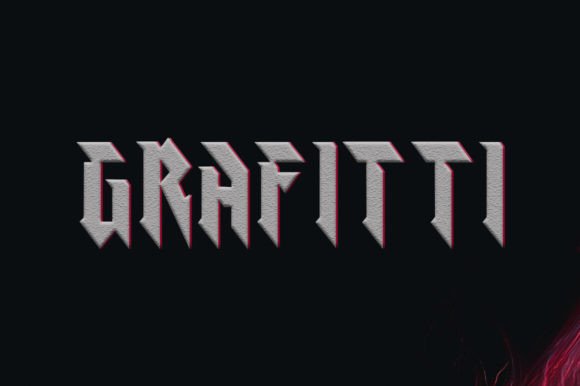
At its core, Grafitti is defined by its gothic structure. Blackletter fonts are characterized by their dense, vertical lines and intricate details, mimicking the handwriting styles used in medieval Europe. However, Grafitti interprets this tradition through a modern lens. The glyphs are sharp, angular, and commanding. They demand attention. When you use this font, you are not just adding text; you are adding texture and mood.
The strength of Grafitti lies in its balance. While many gothic fonts can feel cluttered or difficult to read at smaller sizes, Grafitti maintains a clarity that makes it versatile. The letterforms are robust enough to serve as display type for headlines, logos, and large-format prints, yet they possess enough refinement to work well in editorial contexts where a touch of edginess is desired. The contrast between thick downstrokes and thin upstrokes creates a rhythmic visual flow that guides the eye naturally across the page.
Furthermore, the name itself suggests a connection to street art and urban culture, even though the typographic roots are classical. This duality makes it incredibly useful for brands that want to appear established yet rebellious, traditional yet fresh. It speaks to an audience that appreciates craftsmanship but also values modernity.
The Power of PUA Encoding
One of the most significant technical advantages of Grafitti is its encoding method. Unlike many decorative fonts that rely on standard character mappings, which can limit the available symbols, Grafitti utilizes PUA (Private Use Area) encoding. For designers, this is a game-changer. The Private Use Area is a section of the Unicode standard reserved for custom characters, allowing font creators to include extensive glyph sets without worrying about conflicts with standard keyboard inputs.
This means you have access to a wide variety of swashes, alternate letters, and decorative elements directly within the font file. Instead of manually drawing every flourish or relying on external assets, you can access these enhancements with ease. This accessibility streamlines the design process significantly. You can experiment with different ligatures and ornaments instantly, finding the perfect combination that fits your layout without needing advanced knowledge of OpenType features or complex scripting.
For professionals working under tight deadlines, this efficiency is invaluable. You spend less time hunting for compatible icons or adjusting kerning manually, and more time focusing on the overall composition and message. The ability to access all glyphs effortlessly ensures that your final product looks polished and intentional, rather than patched together.
Practical Applications Across Industries
The versatility of Grafitti extends far beyond niche artistic projects. Its gothic aesthetic resonates with a wide array of industries, each leveraging its unique qualities for specific outcomes.
- Entertainment and Events: For music festivals, heavy metal concerts, or horror movie posters, Grafitti provides the perfect tone. It conveys intensity and excitement. Event organizers often use it for main titles because it captures the essence of the genre immediately.
- F&B Industry: Craft breweries, gastropubs, and artisanal bakeries frequently adopt blackletter fonts to evoke a sense of tradition and handcrafted quality. A beer label featuring Grafitti suggests a robust flavor profile and a commitment to heritage, appealing directly to consumers who value authenticity.
- Fashion and Apparel: Streetwear brands and vintage-inspired clothing lines use Grafitti for logo designs and t-shirt graphics. The font’s bold presence works exceptionally well on merchandise, ensuring high visibility and brand recognition.
- Educational and Editorial: While primarily a display font, excerpts or pull quotes set in Grafitti can break up long-form content in blogs or magazines. When used sparingly, it adds a layer of sophistication and visual interest that keeps readers engaged.
Enhancing Brand Identity and User Experience
In the realm of branding, consistency and memorability are key. Grafitti helps establish a strong visual identity that is easy to recognize. When a business owner chooses this font for their logo, they are signaling confidence and distinctiveness. It sets them apart from competitors who rely on generic templates.
From a user experience perspective, the clear legibility of Grafitti’s primary glyphs ensures that communication remains effective. Even though the style is dramatic, the information is conveyed clearly. This is crucial for commercial environments where readability cannot be compromised for aesthetics. By pairing Grafitti with simpler sans-serif body text, designers can create a harmonious hierarchy that is both stylish and functional.
Moreover, the emotional impact of the font should not be underestimated. Typography evokes feelings. The sharp angles and dense structure of Grafitti can evoke feelings of strength, stability, and rebellion. Marketers can leverage these psychological associations to align their brand messaging with their target audience’s values. For instance, a brand targeting young adults looking for authentic experiences might find that Grafitti resonates more deeply than a soft, rounded script.
Implementation Tips for Designers
To get the most out of Grafitti, consider how you integrate it into your broader design system. Here are some practical recommendations:
- Pairing Strategy: Avoid pairing Grafitti with other decorative fonts. Instead, choose neutral, clean typefaces like Helvetica, Roboto, or Lato for supporting text. This contrast highlights the uniqueness of Grafitti without creating visual chaos.
- Whitespace Management: Blackletter fonts can feel heavy. Ensure you give the text ample breathing room. Increased tracking (letter-spacing) can help improve readability and add a premium feel to the design.
- Contextual Usage: Reserve Grafitti for short bursts of text. Headlines, logos, and key phrases are ideal. Long paragraphs in blackletter can become fatiguing to read. Use it as an accent, not the foundation.
- Color Considerations: The stark contrast of blackletter works well against dark backgrounds or textured papers. Experiment with color palettes that complement the gothic vibe, such as deep reds, golds, or monochromatic schemes.
Ultimately, Grafitti is more than just a font; it is a statement. It offers designers a reliable, efficient, and visually striking way to communicate bold ideas. By understanding its strengths and applying it thoughtfully, you can elevate your projects from ordinary to extraordinary. Whether you are a seasoned professional or a hobbyist exploring new creative avenues, adding Grafitti to your toolkit is a decision you will likely love the results of. It brings a timeless elegance with a modern edge, proving that classic styles still have a vital role to play in today’s digital world.