Sabsor: The Ultimate Gothic Metal Font for Bold Design
In the world of visual communication, few things command attention quite like a typeface that exudes raw power and historical weight. For designers, musicians, and brand creators looking to inject a sense of dark elegance or aggressive strength into their projects, Sabsor stands out as a premier choice. This is not merely a font; it is a statement piece designed for those who understand the nuance between heavy metal aesthetics and sophisticated gothic typography.
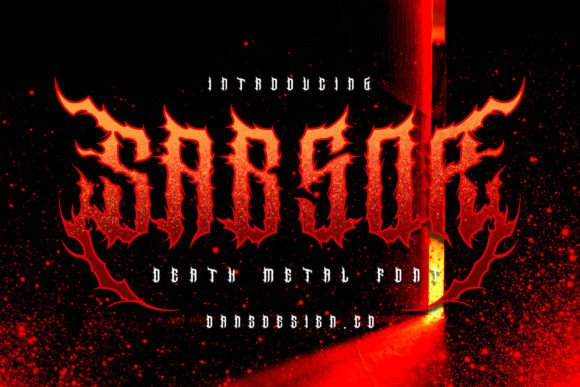
Sabsor is a modern interpretation of the traditional blackletter style, specifically tailored for the metal music genre and horror-themed visuals. It bridges the gap between medieval calligraphy and contemporary graphic design, offering a sharp, imposing presence that works exceptionally well on album covers, merchandise, and high-impact digital media. If you are seeking to add cool vibes to t-shirts, magazines, or branding materials that need to stand out in a crowded market, Sabsor provides the perfect typographic backbone.
Understanding the Aesthetic of Sabsor
To use Sabsor effectively, one must first appreciate its structural DNA. Blackletter fonts, historically known as Gothic script, were prevalent in Western Europe from the 12th through the 16th centuries. They are characterized by their dense, textured appearance and complex letterforms. However, Sabsor is not a strict historical reproduction. It is a modern blackletter font, meaning it has been refined for legibility and scalability while retaining its intimidating charm.
The "Metal Horror" aspect of Sabsor refers to its specific stylistic flourishes—sharp serifs, jagged edges, and an overall angularity that suggests danger, mystery, or rebellion. Unlike standard serif fonts that whisper and sans-serif fonts that shout, Sabsor growls. It is ideal for contexts where the tone needs to be serious, intense, or dramatically stylized. When you apply this typeface to a design, you are immediately invoking associations with heavy metal culture, gothic literature, and horror cinema.
Creative Applications Across Industries
The versatility of Sabsor extends far beyond niche subcultures. While its roots are firmly planted in metal and horror, its strong visual identity makes it a powerful tool for various creative industries. Here is how different professionals can leverage this font to achieve specific goals.
Musicians and Album Art Design
For independent artists and record labels, the cover art is often the first point of contact with a potential listener. Sabsor excels in this arena. Its bold strokes ensure that band names remain readable even at small thumbnail sizes on streaming platforms, yet they retain enough detail to captivate viewers on large-format posters. Consider using Sabsor for the main title of a heavy metal, deathcore, or industrial music album. Pair it with gritty textures, monochromatic color palettes, or stark lighting effects to enhance the atmospheric tension.
Fashion and Merchandise
The streetwear and alternative fashion markets thrive on typography that communicates identity. Sabsor is an excellent candidate for t-shirt graphics, hoodies, and caps. Because the letters are thick and distinct, they hold up well against fabric textures and screen printing processes. Designers can experiment with distressed effects, placing the text over vintage photographs or abstract grunge backgrounds to create a worn-in, authentic look. For luxury streetwear brands, using Sabsor in gold foil or embossed white ink on black cotton can create a striking contrast that feels both premium and rebellious.
Publishing and Editorial Design
Magazines, zines, and digital blogs focused on true crime, horror reviews, or cultural commentary can use Sabsor to grab the reader’s eye. Use it sparingly as a display font for headlines or pull quotes. For instance, a blog post about the history of vampire folklore could feature a headline in Sabsor, immediately setting the mood before the reader engages with the body text. Remember to balance the heaviness of the font with ample white space to prevent the layout from feeling cluttered or overwhelming.
Practical Tips for Implementation
Using a distinctive font like Sabsor requires strategic planning to ensure your designs remain effective and professional. Here are some practical guidelines to help you integrate this typeface into your workflow.
- Maintain Readability: While Sabsor is designed to be impactful, it is still a decorative font. Avoid using it for long paragraphs of body text. Instead, reserve it for titles, logos, and short phrases. If you must use it for longer text, ensure the background is clean and the contrast is high.
- Pairing Strategies: To keep your design balanced, pair Sabsor with simple, neutral fonts for secondary information. A clean sans-serif font like Helvetica or Arial works well for dates, credits, or descriptive text. This contrast allows the Sabsor header to shine without competing with other elements.
- Color Psychology: The effectiveness of Sabsor is heavily influenced by color. Classic combinations include black and white for a stark, minimalist horror vibe. Deep reds evoke blood and passion, while metallic silvers or golds add a touch of regality suitable for fantasy or epic themes. Avoid overly bright, neon colors unless you are aiming for a specific cyberpunk or ironic aesthetic.
- Scalability Testing: Always test your design at various sizes. A logo that looks impressive on a billboard might become illegible on a social media profile picture. Ensure that the intricate details of Sabsor do not get lost when scaled down. Simplify the design if necessary by removing unnecessary graphical elements around the text.
Adapting Sabsor for Different Audiences
Different audiences respond to visual cues in unique ways. Understanding these nuances can help you tailor your use of Sabsor more effectively.
For Younger Audiences (Gen Z and Millennials): This demographic appreciates authenticity and edginess. Using Sabsor in a way that feels raw and unpolished—such as combining it with glitch effects or hand-drawn elements—can resonate strongly. It signals that the brand or creator is not afraid to break conventional design rules.
For Professional Corporate Clients: Exercise caution. Sabsor is inherently informal and aggressive. It is generally unsuitable for conservative industries like finance, law, or healthcare. However, it might work for a tech startup focusing on cybersecurity or a gaming company targeting mature audiences. In these cases, use it subtly, perhaps as a watermark or a small accent element, rather than the primary font.
For Hobbyists and Personal Projects: Don’t be afraid to experiment. Whether you are creating a custom tattoo design, a personal journal cover, or a DIY home decor item, Sabsor offers endless possibilities. Try layering multiple instances of the font with varying opacities to create depth. Or, combine it with natural elements like wood grain or stone textures for a rustic, ancient feel.
Conclusion: Making a Lasting Impression
Sabsor is more than just a font; it is a tool for storytelling. It allows designers to convey emotions of strength, mystery, and intensity without saying a word. By understanding its characteristics and applying it thoughtfully across various mediums, you can create designs that are not only visually striking but also emotionally resonant. Whether you are launching a new band, rebranding a clothing line, or simply adding a touch of gothic flair to your next project, Sabsor offers the robust foundation needed to make your work stand out. Embrace its boldness, respect its limitations, and let it elevate your creative vision to new heights.