Unleashing the Power of Black Beard: The Ultimate Display Font for Bold Visual Impact
In a digital landscape saturated with clean lines, minimalist sans-serifs, and highly legible body text, standing out requires more than just good content. It demands visual aggression. It demands presence. This is where Black Beard enters the arena. As a black letter display font, it doesn’t whisper; it roars. Whether you are designing a gritty comic book cover, a high-impact concert poster, or a rugged logo for an outdoor brand, understanding how to wield this typeface can transform a mediocre design into an unforgettable experience.
But what exactly makes Black Beard so distinctive? Is it just about looking "old" or "medieval"? Far from it. While its roots may trace back to the dense, ornate traditions of Fraktur and Gothic scripts, its modern application is anything but archaic. It is a tool for creating atmosphere, tension, and immediate recognition. Let’s dive into the anatomy of this powerful font, explore its versatility across various mediums, and discuss why it remains a top choice for designers seeking maximum visual weight.
The Anatomy of Intimidation: Understanding Black Beard’s Design Language
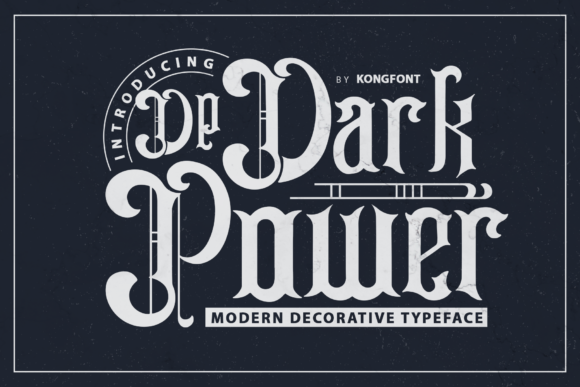
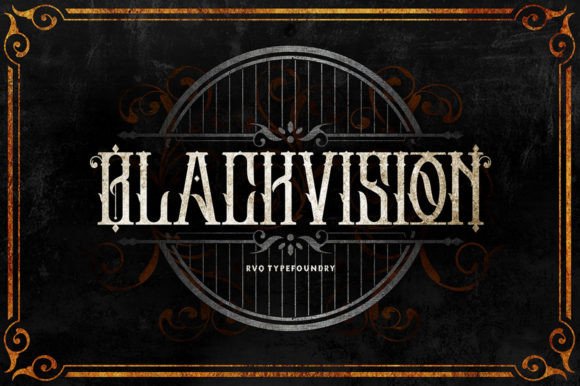
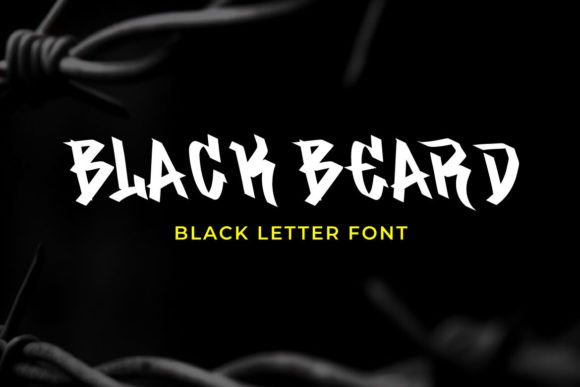
To use Black Beard effectively, one must first appreciate its structural DNA. Unlike standard serif fonts that prioritize readability at small sizes, Black Beard is designed for impact at large scales. Its character set is defined by heavy, vertical strokes and sharp, angular contrasts. The letters are tightly packed, often sharing stems and creating a unified block of ink that feels almost impenetrable.
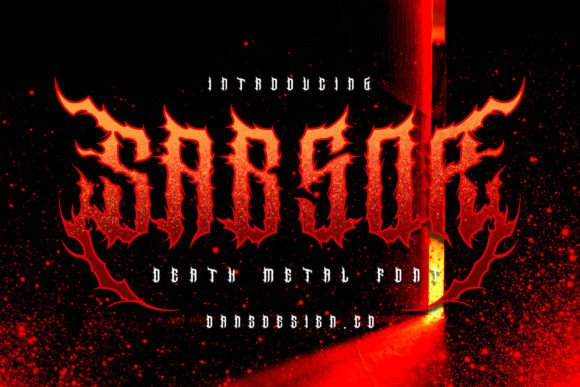
This density is not accidental. It creates a texture—a visual rhythm that draws the eye in and holds it there. When you place Black Beard on a page, it commands space. It suggests strength, history, and perhaps a touch of danger. For instance, in horror genres or fantasy themes, the font evokes the feeling of ancient manuscripts or pirate logs, instantly setting a narrative tone before the viewer even reads the words. However, this power comes with responsibility. Because the font is so visually "loud," it cannot be used lightly. It requires breathing room, strategic contrast, and a clear hierarchy to ensure the message isn’t lost in the noise.
Key Characteristics That Define the Typeface
- High X-Height and Heavy Weight: The letters are tall and thick, ensuring visibility from a distance. This makes it ideal for headlines and signage.
- Angular Contrast: The sharp transitions between thick and thin strokes add a dynamic edge, preventing the design from feeling static or boring.
- Dense Kerning: The tight spacing between characters creates a solid block effect, which is perfect for logos and short titles where cohesion is key.
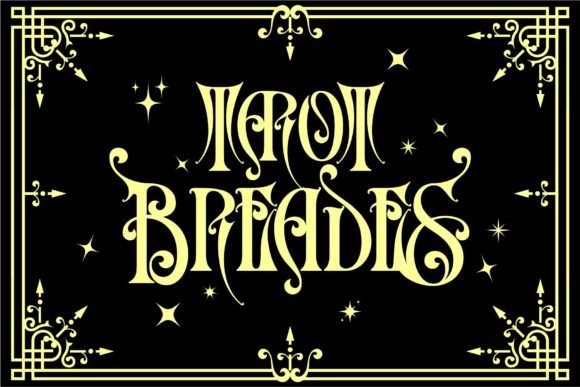
- Ornamental Potential: Many versions of Black Beard include decorative swashes or flourishes that can be used to enhance artistic compositions, particularly in vintage or thematic designs.
Versatility Across Creative Mediums
One of the most common misconceptions about display fonts like Black Beard is that they are limited to niche historical projects. In reality, their application is surprisingly broad. The font’s ability to convey authority and grit makes it suitable for a wide array of industries. Let’s look at how professionals are integrating Black Beard into modern workflows.
Print Media: Posters, Flyers, and Comic Books
If you’ve ever walked past a street corner and seen a flyer for a punk rock show or a local comic convention, chances are you’ve seen a font similar to Black Beard in action. In these contexts, the goal is to grab attention amidst clutter. The bold, jagged edges of the font cut through background images and competing text elements. For comic books, it serves as an excellent choice for sound effects (like "BOOM!" or "CRASH!") or chapter titles, adding a layer of kinetic energy to the pages.
Flyers benefit from the font’s legibility at large sizes. A well-designed poster using Black Beard for the main headline ensures that the core message is understood in seconds. Pair it with a stark, high-contrast background—perhaps black text on white, or white text on a dark, textured image—and you achieve a professional, striking aesthetic.
Digital Spaces: Social Media and Web Headers
As screen real estate becomes increasingly competitive, grabbing attention on social media platforms is harder than ever. Instagram posts, Facebook ads, and YouTube thumbnails all rely on strong typography to stop the scroll. Black Beard excels here because its bold nature translates well to smaller screens when used sparingly.
Consider a social media campaign for a new energy drink or a gaming event. Using Black Beard for the campaign name adds a sense of intensity and excitement. However, caution is advised. On web interfaces, long paragraphs in Black Beard will fatigue the reader. Use it exclusively for headers, call-to-action buttons, or overlay text on images. Keep the body text clean and simple to balance the visual weight.
Branding and Logo Design
A logo needs to be memorable, scalable, and versatile. Black Beard offers a unique opportunity for brands that want to project toughness, tradition, or rebellion. Think of craft breweries, motorcycle clubs, metal bands, or outdoor adventure companies. The font’s association with strength and heritage can help build an instant emotional connection with the target audience.
When designing a logo with Black Beard, focus on simplicity. Avoid overcrowding the design with too many decorative elements. Let the inherent shape of the letters do the work. A single word or acronym in Black Beard can be incredibly powerful if paired with the right iconography or color palette.
Practical Considerations for Designers
While Black Beard is a powerful asset, it is not a one-size-fits-all solution. There are practical considerations every designer should keep in mind to avoid common pitfalls.
- Limited Readability: Never use Black Beard for body copy. It is designed for display purposes only. Long passages of text in this font will be difficult to read and visually exhausting. Reserve it for titles, headings, and short phrases.
- Contrast is King: Because the font is so dense, it needs contrasting elements to shine. Pair it with light, thin sans-serif fonts for secondary information. This creates a visual hierarchy that guides the viewer’s eye naturally through the design.
- Color Psychology: The impact of Black Beard is heavily influenced by color. Black on white is classic and stark. Red on black adds urgency and danger. Gold on black suggests luxury and royalty. Choose colors that align with the mood you want to evoke.
- Spacing and Alignment: Due to the irregular shapes of some letters in Black Beard, center alignment can sometimes look unbalanced. Left-aligned text often works better, especially if you are mixing it with other typefaces. Ensure adequate padding around the text to prevent it from feeling cramped.
Why Choose Black Beard for Your Next Project?
In the end, the decision to use Black Beard comes down to the story you want to tell. If your project requires subtlety, elegance, or neutrality, this font is not the right choice. But if you need to convey power, history, excitement, or edge, Black Beard is an invaluable tool in your design arsenal.
It bridges the gap between the old world and the new. It respects tradition while embracing modern graphic design principles. From school projects that need to stand out to commercial advertisements that need to convert, Black Beard offers a level of personality that few other fonts can match. By understanding its strengths and respecting its limitations, you can harness its full potential to create designs that are not just seen, but felt.
So, the next time you sit down to design a poster, a logo, or a social media graphic, ask yourself: does this design need to shout? If the answer is yes, reach for Black Beard. Let its bold lines and heavy weights carry your message forward, ensuring that your work leaves a lasting impression on everyone who encounters it.