Evaluating Manuscript Felice: A Practical Guide to Medieval Typography for Modern Design
In the landscape of digital typography, finding a typeface that balances historical authenticity with modern legibility is a persistent challenge. For designers seeking to evoke a sense of history, authority, or artistic flair, Manuscript Felice has emerged as a compelling option. This font family draws its inspiration from vintage Italian Processional manuscripts, offering a distinct aesthetic that bridges the gap between the medieval era and contemporary graphic design. However, like any specialized tool, it comes with specific use cases, strengths, and limitations that must be understood before integration into a project.
This evaluation explores the characteristics of Manuscript Felice, analyzing its visual qualities, historical roots, and practical applications. By examining how it compares to broader categories of decorative and blackletter fonts, we can determine when this typeface is the right choice and when alternative solutions might serve a design better.
The Historical Context and Visual Identity
To understand the value of Manuscript Felice, one must first appreciate its origin story. The font is based on a manuscript whose book block has disintegrated over time, leaving behind only the author’s intricate letterforms. This unknown provenance adds a layer of mystery and old-world elegance to the typeface, making it particularly suitable for projects that require a touch of enigmatic sophistication.
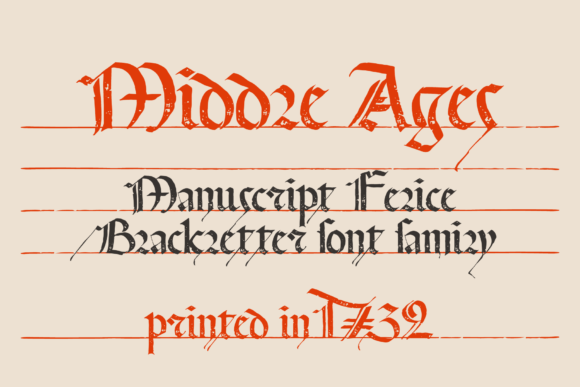
Visually, Manuscript Felice is categorized as a blackletter font, but it diverges from the heavy, dense styles often associated with traditional Gothic scripts. Instead, it features:
- Sharp angles: Providing structure and a sense of precision reminiscent of carved stone or illuminated parchment.
- Graceful curves: Softening the rigidity of the sharp angles, creating a flow that mimics the natural movement of a quill pen.
- Intricate letterforms: Detailed serifs and varying stroke weights that capture the hand-written essence of past centuries.
This combination results in a font that exudes an air of Gothic sophistication. It is not merely a "medieval" font; it is a refined interpretation of one, designed to stand out without overwhelming the viewer. The influence of the Italian Processional manuscript is evident in the rhythmic quality of the text, which suggests a ceremonial or formal purpose.
Strengths and Best-Fit Scenarios
Manuscript Felice shines in contexts where atmosphere is paramount. Its ability to instantly transport a viewer to a different time makes it invaluable for specific niches. Below are the primary scenarios where this font delivers maximum impact.
Branding and Packaging
For brands in the artisanal food, craft beer, or luxury spirits sectors, Manuscript Felice can convey heritage and craftsmanship. Imagine a label for a small-batch olive oil or a boutique gin; the font’s intricate details suggest care and tradition. Unlike generic serif fonts, Manuscript Felice offers a unique identity that helps products stand out on crowded shelves.
Editorial and Publishing
In magazine layouts, book covers, or long-form articles discussing history, art, or literature, this font serves as an excellent display type. It is perfect for headlines that need to grab attention while maintaining a scholarly tone. When used sparingly, it adds depth to the narrative without distracting from the content.
Event Design and Invitations
Weddings, galas, and theatrical productions often seek themes rooted in history or fantasy. Manuscript Felice fits seamlessly into these environments. Its graceful curves lend themselves well to elegant invitations, programs, and signage, creating an immersive experience for attendees.
Comparing Manuscript Felice to Alternatives
When selecting a typeface, designers rarely look at just one option. Understanding how Manuscript Felice compares to other categories helps in making an informed decision.
Versus Traditional Blackletter Fonts
Traditional blackletter fonts (such as Old English or Fraktur) are often dense and difficult to read at small sizes. They can feel aggressive or overly heavy. Manuscript Felice, by contrast, is more open and airy. While it retains the Gothic character, it prioritizes readability and elegance over sheer density. This makes it a safer choice for designs that need to remain accessible to a wider audience.
Versus Standard Serif Fonts
Standard serif fonts (like Garamond or Baskerville) are the workhorses of typography, prized for their neutrality and legibility. Manuscript Felice cannot replace these in body text. However, it complements them beautifully as a headline font. Pairing a clean, neutral sans-serif or serif body with Manuscript Felice headlines creates a striking contrast that highlights key information.
Versus Script Fonts
Script fonts mimic handwriting but often lack the structural integrity of true calligraphy. Manuscript Felice occupies a middle ground: it has the structure of a printed font but the soul of a handwritten script. For projects requiring a personal touch but needing more stability than a cursive script provides, Manuscript Felice is a superior alternative.
Limitations and Tradeoffs
No typeface is universal, and Manuscript Felice has clear limitations that designers must respect.
- Legibility at Small Sizes: Due to its intricate details, Manuscript Felice loses clarity when scaled down. It should never be used for body text, footnotes, or UI elements where quick reading is essential.
- Contextual Appropriateness: The font carries strong historical connotations. Using it in a modern tech startup’s branding or a minimalist corporate report would likely create a jarring disconnect. It demands a context that supports its thematic weight.
- Pairing Challenges: Because Manuscript Felice is visually dominant, pairing it requires skill. It clashes with other decorative fonts. The best results come from pairing it with simple, unobtrusive typefaces that allow the Felice letters to take center stage.
Decision Factors: Is Manuscript Felice Right for You?
Choosing the right font involves balancing aesthetic desires with functional requirements. Consider the following questions to determine if Manuscript Felice aligns with your project goals.
What is the primary goal of the design?
If the goal is to inform quickly and neutrally, choose a standard sans-serif or slab serif. If the goal is to evoke emotion, tell a story, or establish a brand personality rooted in tradition, Manuscript Felice is a strong candidate.
Who is the target audience?
Adults aged 20–50 who appreciate design nuance may respond positively to the sophistication of Manuscript Felice. However, audiences expecting immediate, no-nonsense communication may find it distracting. Ensure your audience values aesthetics and historical reference.
How will the font be used?
Reserve Manuscript Felice for headlines, logos, quotes, and short phrases. Do not attempt to set long passages of text in this font. If your project requires extensive body copy, allocate this font solely to accent points.
Practical Tips for Implementation
To maximize the effectiveness of Manuscript Felice, consider these practical tips:
- Use White Space: Give the intricate letterforms room to breathe. Crowded layouts diminish the font’s elegance.
- Contrast Weights: Use bold weights for main headlines and regular weights for subheads. Avoid italic variants unless necessary, as they can complicate the visual hierarchy.
- Maintain Hierarchy: Ensure that the rest of the typographic system is understated. Let Manuscript Felice be the star, supported by simpler fonts.
- Test for Readability: Always print proofs or view designs on actual devices to check for legibility issues, especially at smaller scales.
Conclusion
Manuscript Felice is more than just a decorative font; it is a tool for storytelling. Its roots in the lost world of Italian Processional manuscripts give it a unique character that few other typefaces possess. By understanding its strengths in evoking old-world charm and its limitations in terms of readability, designers can wield it effectively.
Whether you are designing a wedding invitation, a craft beer label, or a historical novel cover, Manuscript Felice offers a sophisticated solution. It invites viewers to slow down and appreciate the details, much like the original manuscripts that inspired it. When used with intention and restraint, it adds a layer of depth and elegance that elevates any design project.
For those exploring alternatives, remember that the best choice depends on the specific needs of the project. But for anyone seeking to inject a touch of medieval charm into modern design, Manuscript Felice remains a standout option worthy of serious consideration.