Reviving the Scriptorium: How Medieval Knots Brings Authenticity to Modern Design
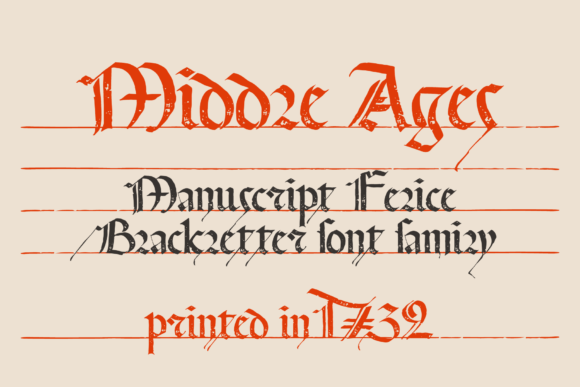
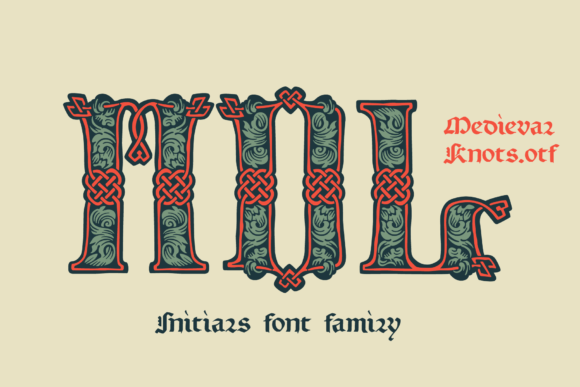
In an era dominated by minimalist sans-serifs and clean geometric typefaces, there is a persistent, undeniable allure to the ornate and the historical. Designers, publishers, and hobbyists often find themselves drawn back to the rich tapestry of medieval aesthetics, seeking that specific gravity and texture that only centuries-old craftsmanship can provide. At the heart of this revival is Medieval Knots, an incredible blackletter font inspired by Celtic knots initials and lines. It is not merely a typeface; it is a tool for precision, allowing creators to imitate medieval-style text with a fidelity that was previously difficult to achieve without hand-drawing every single character.
The journey into medieval typography is rarely about simple legibility. It is about atmosphere. When you are designing a logo for a craft brewery, a cover for a fantasy novel, or a banner for a LARP event, the choice of type speaks volumes before a word is even read. This is where Medieval Knots shines. By combining the structural integrity of traditional Blackletter with the intricate, interwoven beauty of Celtic knotwork, it offers a unique visual language. However, using such a decorative element effectively requires more than just dragging and dropping characters onto a canvas. It demands a strategic approach to hierarchy, contrast, and context.
The Anatomy of Intricacy
To understand why Medieval Knots is so effective, one must first appreciate what it is mimicking. Traditional Blackletter scripts, like Textura or Fraktur, are characterized by their verticality, sharp angles, and dense ink coverage. They were born out of necessity in monastic scriptoria, designed to save precious parchment while maximizing the amount of text written. But they also carried a sense of authority and divinity.
Medieval Knots takes this foundation and injects it with the organic, flowing complexity of Celtic art. The "knots" refer to the decorative terminals, swashes, and interlacing patterns that adorn the letters. These are not random flourishes; they are structured, deliberate designs that echo the illuminated manuscripts of the Insular art period. When you use this font as a decorative element at the beginning of a paragraph or section, you are essentially creating a digital illuminated initial. It serves as a visual anchor, drawing the eye in and setting a tone of antiquity and craftsmanship.
The challenge lies in the density. Because these glyphs are so detailed, they can easily overwhelm surrounding text if not handled with care. This leads us to the most critical aspect of working with Medieval Knots: the balance between decoration and readability.
Strategic Application: The Power of Contrast
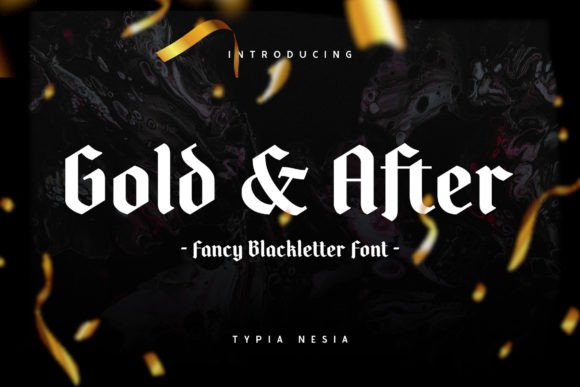
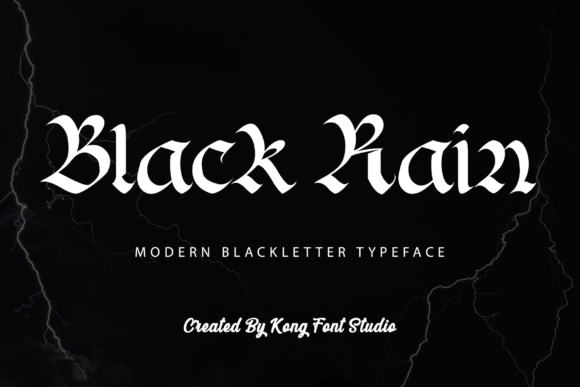
The prompt suggests a specific technique that is both practical and aesthetically pleasing: using Medieval Knots as a decorative element at the beginning of a paragraph or section, while the rest of the paragraph is written with a regular blackletter font. This approach is not just a stylistic preference; it is a functional solution to the problem of visual clutter.
Imagine a recipe card for a historical feast. The title might be set in a bold, heavy Blackletter, but the ingredients list? That needs to be clear. If you set the entire body text in a highly decorative, knot-heavy font like Medieval Knots, the reader’s eye will fatigue quickly. The intricate details compete for attention. Instead, reserve Medieval Knots for the capital letter at the start of the introduction or key sections. Let this initial do the heavy lifting of establishing the theme. Then, transition to a simpler, more readable Blackletter for the body copy.
- Visual Hierarchy: The large, knotted initial acts as a signpost. It tells the reader, "This is important, this is themed, pay attention."
- Readability: The body text remains legible because it lacks the competing noise of the decorative knots.
- Economic Use: You get the full impact of the design without exhausting your resources or the viewer’s patience.
This method mirrors the practices of medieval scribes who would often leave space for a rubricated or painted initial, leaving the rest of the page for the text itself. By emulating this workflow digitally, you honor the source material while adhering to modern standards of user experience and readability.
Modern Workflows and Digital Adaptation
One might ask, why go through the trouble of mixing fonts when a single, all-caps display font could suffice? The answer lies in versatility and nuance. In modern web design, print media, and branding, flexibility is key. Medieval Knots allows for a layered approach to design that feels curated rather than generic.
Consider a wedding invitation suite. The couple wants a Gothic aesthetic but fears it will look too harsh or illegible. By using Medieval Knots for the names on the front cover, you create an immediate sense of romance and history. Inside, where the details of the venue and time are listed, a cleaner Blackletter variant ensures that guests can actually read the information without squinting. This dual-font strategy bridges the gap between artistic expression and functional communication.
Furthermore, in the realm of game development and digital storytelling, Medieval Knots can be used sparingly to highlight quest logs, ancient runes, or magical incantations. The intricate nature of the font makes it perfect for representing magic systems or ancient lore, provided it is isolated from standard dialogue boxes. The contrast between the plain text and the knotted text creates a subconscious distinction for the player or reader: this is ordinary speech; this is something special.
Practical Considerations for Designers
Before incorporating Medieval Knots into your projects, there are several technical and aesthetic factors to consider. First, licensing. As with any premium typeface, ensure you have the appropriate rights for commercial use, especially if you are producing physical goods or selling digital products.
Second, kerning and spacing. Decorative fonts often require more generous tracking (letter-spacing) than standard fonts. The knots and swirls need room to breathe. If you crowd them together, the design becomes a muddy blob of black ink. Experiment with wide spacing for standalone titles, but tighter spacing for inline elements, always checking for collision between the decorative tails of one letter and the body of another.
Third, color palette. Blackletter and Celtic designs pop against certain backgrounds. Deep creams, aged parchment textures, or stark white backgrounds work best. Avoid busy patterns behind the text, as they will clash with the intricate details of Medieval Knots. If you are using dark mode, consider a gold or metallic accent color for the knotted initials to mimic the gold leaf found in actual illuminated manuscripts.
Why Choose Medieval Knots?
There are many Blackletter fonts available online, so why choose Medieval Knots? The primary reason is its specific inspiration. Many Blackletter fonts are purely structural, focusing on the legibility of the letters. Medieval Knots, however, embraces the decorative tradition of the Insular world. It brings the warmth and complexity of Celtic art into the rigid framework of Gothic script. This fusion results in a font that feels both ancient and uniquely crafted.
It is all you need to precisely imitate medieval-style text, but with a twist that sets it apart from the competition. It allows designers to tell a story that is not just about the words, but about the vessel carrying them. Whether you are creating a brand identity for a heritage company, designing a book cover, or simply adding flair to a personal blog, Medieval Knots provides the authenticity and depth required to stand out in a crowded digital landscape.
In conclusion, the effective use of Medieval Knots is less about using the font everywhere and more about knowing where it belongs. By treating it as a decorative initial—a nod to the scribes of old—you create a harmonious balance between form and function. It respects the past while serving the present, proving that even in the age of pixels, the art of the illuminated manuscript still has much to offer.