Rokie Grock: Strategic Typography for Modern Brand Positioning
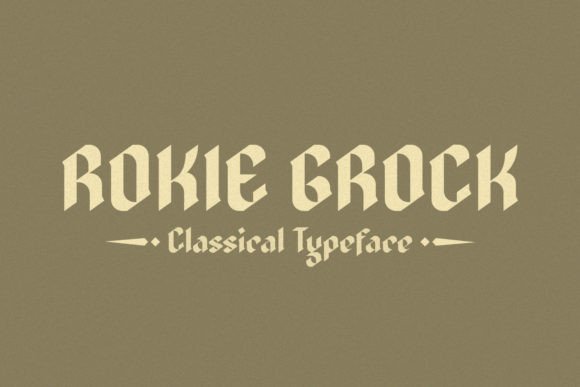
In the landscape of digital and print design, typography is rarely just about readability; it is a primary vehicle for brand identity. When selecting a typeface, decision-makers must look beyond aesthetics to consider how a font communicates authority, elegance, and modernity. Rokie Grock emerges as a specialized tool in this arena, offering an elegant modern style that adds a bold touch to visual projects. It is not merely a decorative element but a strategic asset for entrepreneurs, marketers, and creators who need to establish immediate visual impact.
This display font is engineered for high-visibility applications. Its structure allows it to command attention without sacrificing sophistication, making it ideal for headings, flyers, greeting cards, product packaging, book covers, printed quotes, logotypes, apparel designs, and album covers. However, the true value of Rokie Grock lies in its intentional application. Understanding its technical capabilities—specifically its PUA encoding—and its stylistic nuances allows professionals to leverage it for better branding outcomes and stronger customer engagement.
The Strategic Value of Display Typography
For small business owners and freelancers, every pixel counts. In a crowded market, the difference between a forgettable design and a memorable one often comes down to typographic hierarchy. Rokie Grock serves as a powerful anchor in this hierarchy. Its bold, elegant character sets a tone of confidence and contemporary relevance. Unlike standard sans-serif or serif fonts that blend into the background, Rokie Grock demands to be seen, yet it does so with a level of refinement that appeals to adult audiences aged 20–50.
When used correctly, this font supports long-term brand consistency. It bridges the gap between traditional elegance and modern minimalism. For educators and publishers, this duality is crucial. A book cover or educational material benefits from the clarity of modern design while retaining the gravitas associated with classic typography. By choosing Rokie Grock for key headlines, designers can signal to their audience that the content within is both current and substantial.
Enhancing Communication Through Visual Weight
Effective communication relies on guiding the viewer’s eye. Rokie Grock provides significant visual weight, which helps in prioritizing information. In marketing materials such as flyers or social media graphics, the headline is the first point of contact. Using a font like Rokie Grock ensures that the core message is not just read but felt. This emotional resonance is critical for conversion rates in e-commerce and service-based industries.
Furthermore, the font’s modern style aligns with current design trends that favor clean lines and strong contrasts. This alignment helps brands appear up-to-date and relevant. For bloggers and content creators, using Rokie Grock for featured titles can increase click-through rates by making content appear more polished and professional compared to competitors using generic system fonts.
Technical Proficiency and Accessibility
One of the most practical advantages of Rokie Grock is its technical implementation. The font is PUA encoded, a feature that significantly enhances usability for designers and developers. PUA (Private Use Area) encoding allows access to all glyphs and swashes directly through the keyboard or font settings, rather than relying on complex OpenType features that may not be supported in all software environments.
This accessibility reduces friction in the creative workflow. Designers can experiment with variations and decorative elements quickly, facilitating a more iterative and creative process. For agencies managing multiple client projects, this efficiency translates to faster turnaround times and reduced costs. It also ensures that the unique character of the font is preserved across different platforms, maintaining brand integrity regardless of where the design is deployed.
- Streamlined Workflow: Access swashes and alternate glyphs easily without navigating complex menus.
- Consistency: PUA encoding ensures that special characters render correctly across various devices and operating systems.
- Creative Flexibility: The ability to mix standard letters with decorative swashes allows for custom logo treatments and unique typographic layouts.
Application Scenarios and Use Cases
To maximize the return on investment for any design choice, it is essential to apply the right tool to the right context. Rokie Grock is versatile, but its strength lies in specific applications where boldness and elegance are required.
Product Packaging and Retail
In retail, shelf presence is everything. Product packaging must communicate quality instantly. Rokie Grock’s bold touch makes it an excellent candidate for luxury goods, artisanal products, or tech gadgets. The font’s elegance suggests premium quality, while its modern style appeals to contemporary consumers. When designing labels or boxes, using Rokie Grock for the brand name or key product features can elevate the perceived value of the item.
Apparel and Fashion
The fashion industry relies heavily on visual storytelling. Apparel designs, from t-shirts to haute couture tags, benefit from typography that stands out. Rokie Grock offers a distinctive look that can define a brand’s aesthetic. Whether used for streetwear graphics or minimalist clothing labels, the font adds a layer of sophistication that resonates with style-conscious buyers.
Media and Entertainment
Album covers, movie posters, and event flyers require immediate impact. These mediums compete for attention in seconds. Rokie Grock’s ability to convey mood through form makes it suitable for artistic and entertainment projects. Its modern elegance can suggest innovation for tech conferences or creativity for music albums. By integrating this font into promotional materials, organizers can create a cohesive visual identity that attracts the target demographic.
Risks and Considerations in Design
While Rokie Grock is a powerful tool, its use requires strategic restraint. Display fonts are designed for short bursts of text, not body copy. Overusing Rokie Grock can lead to visual fatigue and reduce readability. Decision-makers must understand that less is often more when working with bold typefaces.
Another consideration is the context of the audience. While the font appeals to adults 20–50, it may not be appropriate for all segments. For example, children’s educational materials or medical informational brochures might require softer, more approachable typefaces. Using Rokie Grock in these contexts could create a disconnect between the visual tone and the content’s purpose.
Additionally, designers should be mindful of pairing. Rokie Grock has a strong personality, so it needs to be balanced with simpler, neutral fonts for supporting text. A common strategy is to use Rokie Grock for headlines and logos, paired with a clean sans-serif or serif font for paragraphs. This contrast ensures that the design remains readable while still leveraging the boldness of the display font.
Avoiding Common Pitfalls
- Over-decoration: Do not rely solely on swashes to carry the design. Ensure the underlying layout is sound.
- Poor Contrast: Avoid placing Rokie Grock against busy backgrounds. Use ample whitespace to let the font breathe.
- Inconsistent Scaling: Ensure that the font size is large enough to maintain its legibility. Small sizes can distort the elegant details of the glyphs.
Intentional Implementation for Better Results
The goal of using Rokie Grock should always be to support broader business objectives, whether that is increasing brand recognition, improving user experience, or driving sales. Before incorporating the font into a project, ask strategic questions: Does this font reflect our brand values? Is it appropriate for our target audience? Will it enhance the message we are trying to convey?
By approaching typography with intentionality, professionals can avoid random design choices that dilute brand identity. Rokie Grock should be part of a cohesive design system, not an isolated decorative element. This systematic approach leads to more consistent branding across all touchpoints, from digital ads to physical packaging.
Moreover, testing is crucial. Before finalizing a design, review the typography in various contexts. Check how Rokie Grock looks on mobile screens versus print materials. Ensure that the PUA encoded glyphs render correctly on the intended platforms. This due diligence prevents costly revisions and ensures a polished final product.
Conclusion on Strategic Typography
Rokie Grock is more than just a font; it is a strategic asset for anyone looking to make a bold, elegant statement. Its modern style, combined with technical ease of use through PUA encoding, makes it a valuable addition to any designer’s toolkit. However, its power lies in its disciplined application. By understanding its strengths, respecting its limitations, and integrating it thoughtfully into broader communication strategies, professionals can achieve superior results.
For entrepreneurs, marketers, and creators, the choice of typography is a reflection of their attention to detail and respect for their audience. Choosing Rokie Grock signals a commitment to quality and modernity. When used wisely, it can inspire unique creations, enhance brand positioning, and ultimately drive better engagement and long-term success. The key is to remain focused on the goals of the project, using the font as a means to an end, rather than an end in itself.