Retroma Vibes: Mastering the Art of Retro Collage Typography
In an era where digital design is often dominated by sleek minimalism and uniform sans-serif aesthetics, there is a growing appetite for texture, history, and imperfection. This shift isn't just about nostalgia; it is about creating visual noise that cuts through the silence of modern interfaces. Enter Retroma Vibes, a mixed font inspired by retro collage art and clipping of old newspapers. It represents a significant departure from standard typographic norms, offering designers and creators a tool to inject personality, chaos, and old-school taste into their projects.
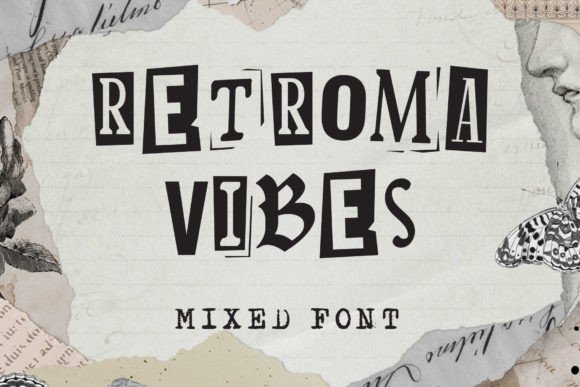
This typeface is not merely a collection of letters; it is a curated experience of visual history. By combining block fonts with sans serif, condensed serif, blackletter, handwriting, and old typewriter styles, Retroma Vibes creates a chaotic yet cohesive collage style. For professionals ranging from marketers to educators, understanding how to leverage this specific aesthetic can transform static content into engaging visual narratives.
The Evolution of Retro in Digital Design
To understand why Retroma Vibes matters, we must look at the broader context of current design trends. For the past decade, the "flat design" movement has ruled the web, prioritizing clarity, speed, and simplicity. While effective for usability, this approach has led to a certain homogeneity across websites, apps, and branding materials. Users are beginning to experience fatigue from this sterile uniformity. They crave authenticity, tactile sensations, and stories embedded within the visual layer.
The resurgence of retro aesthetics is a direct response to this fatigue. However, simply using vintage colors or grainy filters is no longer sufficient. Modern audiences expect depth. They want typography that feels constructed, layered, and intentional. Retroma Vibes addresses this need by mimicking the physical act of cutting and pasting—a technique rooted in Dadaism and punk zine culture. This method of assembly brings a human touch to digital spaces, reminding viewers that there is a creator behind the screen.
This trend aligns with a wider lifestyle shift toward analog hobbies. As more people engage in vinyl collecting, film photography, and journaling, their digital expectations mirror these tangible experiences. A font like Retroma Vibes bridges the gap between the physical scrapbook and the digital canvas, allowing users to feel the weight of history in their pixels.
Deconstructing the Retroma Vibes Aesthetic
What makes Retroma Vibes distinct is its eclectic mix of stylistic elements. It is a mixed font that refuses to stay in one lane. The base structure often relies on strong block fonts, providing stability and readability. Yet, this is immediately disrupted by the inclusion of condensed serifs, which add elegance and urgency. Blackletter elements introduce a gothic, authoritative tone, while handwriting scripts offer a personal, informal contrast.
The most striking feature, however, is the integration of old typewriter styles. These characters evoke the feeling of urgent memos, investigative journalism, and raw creative drafts. When combined into a chaotic collage style, these disparate elements create a dynamic tension. The result is a typeface that feels alive, as if it has been assembled from various sources over time.
This complexity serves a functional purpose. In marketing and branding, attention is the scarcest resource. A headline set in Retroma Vibes does not just convey information; it demands curiosity. The visual variety keeps the eye moving, encouraging deeper engagement with the content. For bloggers and content creators, this means higher retention rates and stronger emotional connections with readers.
Practical Application: Mixing and Matching for Impact
One of the most powerful features of Retroma Vibes is its flexibility. The font allows users to mix and match letters by using alternated characters or switching with lowercase variants. This capability transforms the font from a simple text generator into a design toolkit. Instead of being locked into a single style per word, creators can curate each letter to fit the specific mood of the message.
- Emphasis through Contrast: Use the bold block letters for key nouns and switch to the typewriter style for verbs or prepositions. This creates a rhythmic flow that guides the reader’s eye.
- Tone Adjustment: Incorporate handwriting elements to soften aggressive headlines or add a personal touch to testimonials. Conversely, use blackletter accents to convey strength or tradition.
- Visual Hierarchy: By varying the internal style of a single phrase, you can establish hierarchy without relying solely on size or color changes.
This level of control gives designers the ability to craft unique compositions that stand out in crowded feeds. Whether designing a concert poster, a brand identity, or a social media campaign, the ability to switch styles mid-word allows for nuanced storytelling. It turns typography into an illustration, blurring the line between reading and viewing.
Technical Accessibility: The PUA Advantage
A common barrier in using complex, stylized fonts is technical accessibility. Many decorative fonts require specialized software or plugins to access their full range of glyphs. Retroma Vibes solves this problem through PUA encoding. PUA stands for Private Use Area, a section of the Unicode standard reserved for custom characters.
This encoding method means that all the amazing glyphs and ligatures in Retroma Vibes can be accessed with ease using standard keyboard shortcuts or character maps. There is no need for external tools or complicated workflows. This democratizes the use of high-end typographic effects, making them available to freelancers, small business owners, and hobbyists who may not have access to professional design suites.
For developers and marketers, this simplicity is crucial. It ensures that the design vision can be implemented quickly and consistently across different platforms. Whether embedding text in HTML, creating graphics in Canva, or designing in Photoshop, the PUA encoding ensures that the intended aesthetic is preserved without technical friction.
Strategic Implications for Businesses and Creators
For businesses, adopting a font like Retroma Vibes is a strategic decision that signals brand personality. It suggests that the brand values creativity, heritage, and individuality. This is particularly relevant for industries such as fashion, music, food and beverage, and artisanal products. These sectors thrive on emotion and experience, and Retroma Vibes provides a visual language that supports those values.
Consider a coffee roaster launching a new limited-edition blend. Using Retroma Vibes for the packaging allows them to tell a story of origin and craft. The typewriter elements might reference the manual grinding process, while the collage style reflects the diverse origins of the beans. This narrative depth adds value beyond the product itself, fostering loyalty among consumers who appreciate authenticity.
Similarly, educators and presenters can use this font to make learning materials more engaging. Traditional textbooks are often dry and uniform. Introducing Retroma Vibes for chapter headers, quotes, or sidebars can break up the monotony and stimulate interest. It signals to students that the material is dynamic and worth paying attention to.
Best Practices for Implementation
While Retroma Vibes is versatile, its chaotic nature requires careful handling to avoid visual clutter. Here are some practical recommendations for integrating it into your workflow:
- Balance is Key: Pair Retroma Vibes with clean, neutral backgrounds and simple layouts. Let the typography be the focal point without competing elements.
- Limit Usage: Use the font for headlines, logos, and short phrases rather than body text. Its complexity can hinder readability in long passages.
- Color Coordination: Choose color palettes that complement the retro vibe. Earth tones, muted pastels, or high-contrast black and white work well to enhance the collage aesthetic.
- Consistent Voice: Ensure that the use of mixed styles aligns with your overall brand voice. If your brand is serious and corporate, heavy use of blackletter or handwriting might send mixed messages.
Looking Ahead: The Future of Mixed Typography
The success of Retroma Vibes points to a future where typography becomes increasingly hybrid and experimental. As AI-generated content floods the internet, the human element of design will become even more valuable. Fonts that mimic human imperfection, assembly, and creativity will stand out against algorithmically perfect designs.
We are likely to see a continued blending of historical styles with modern digital techniques. The boundaries between print and digital will further dissolve, allowing for typography that feels both timeless and contemporary. Retroma Vibes is at the forefront of this movement, offering a practical tool for creators who want to embrace this evolution.
For professionals aged 20–50, staying ahead of these trends means understanding not just how to use fonts, but why they resonate. Retroma Vibes is more than a typeface; it is a statement about the importance of texture, history, and human connection in a digital world. By mastering its use, you can create designs that are not only visually striking but also emotionally resonant.
Ultimately, the goal of any design is communication. Retroma Vibes enhances this communication by adding layers of meaning and interest. It invites the viewer to pause, look closer, and engage. In a fast-paced digital landscape, that moment of engagement is invaluable. Whether you are building a brand, teaching a class, or sharing your passion, Retroma Vibes provides the visual vocabulary to make your message unforgettable.