Integrating Tarmone into Modern Design Workflows
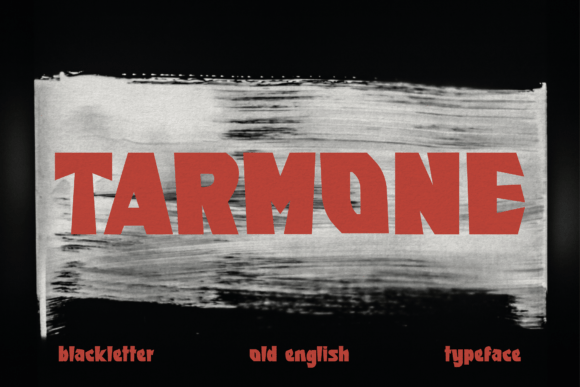
In the landscape of digital and print design, typography is rarely just about readability; it is a primary vehicle for brand identity and emotional resonance. Among the vast array of typefaces available to designers, Tarmone stands out as a distinct choice for those seeking to bridge historical gravitas with contemporary utility. Derived from the sharp, intricate aesthetics of 19th-century blackletter scripts, Tarmone offers an Old English foundation that has been refined into a modern style suitable for a wide spectrum of applications.
For professionals ranging from freelance graphic designers to small business owners, integrating a specialized font like Tarmone requires more than simply selecting it from a dropdown menu. It demands an understanding of where this typeface fits within the broader creative process, how it interacts with other visual assets, and how it can be deployed effectively across various media channels. This article explores the practical implementation of Tarmone in real-world workflows, focusing on preparation, consistency, and strategic execution.
Understanding the Typeface: Historical Roots Meets Modern Utility
To use Tarmone effectively, one must first understand its character. As a sharp blackletter typeface, it carries the weight of tradition. The 1800s saw a flourishing of ornate script styles used for formal documents, certificates, and early printing presses. Tarmone captures this essence but strips away some of the excessive clutter that often makes traditional blackletter difficult to read on screens or at small sizes.
This "Old English font with a modern style" designation is crucial for workflow planning. It means the typeface is versatile enough for high-impact headlines but potentially too dense for body text in many contexts. Designers should view Tarmone not as a replacement for standard sans-serif or serif fonts, but as a powerful accent tool. Its sharp angles and dramatic contrast make it ideal for grabbing attention quickly, which is essential in today’s fast-paced digital environment where users scan content rather than reading it linearly.
Defining the Role in Brand Identity
Before beginning any project, it is vital to define the role Tarmone will play in the brand ecosystem. Is it the primary logo type? A secondary headline font? Or a decorative element for specific campaigns? Because Tarmone is visually dominant, it works best when paired with simpler, neutral typefaces. For instance, pairing Tarmone with a clean geometric sans-serif creates a balance between heritage and modernity. This contrast allows the blackletter elements to shine without overwhelming the user interface or printed material.
When building a brand guide, document these pairings explicitly. Consistency is key to professional output. If Tarmone is used for headers on a website, ensure it is also used for similar hierarchical elements in social media graphics, email newsletters, and physical packaging. This cross-platform consistency reinforces brand recognition and reduces cognitive load for the audience.
Strategic Implementation Across Media Channels
The versatility of Tarmone allows it to be integrated into numerous aspects of a creative workflow. However, each medium presents unique challenges regarding legibility, resolution, and context. Below are practical considerations for deploying Tarmone in specific scenarios.
Print Materials: Posters, Badges, and Apparel
In the realm of print, Tarmone excels due to the high resolution capabilities of physical media. When designing posters, badges, or apparel, the sharp details of the blackletter style can be rendered with precision. This makes it an excellent choice for:
- Event Posters: Use Tarmone for the main event title to evoke a sense of tradition, exclusivity, or rock-and-roll heritage, depending on the context.
- Apparel Graphics: For t-shirts, hats, or tote bags, Tarmone adds a tactile, rugged feel. Ensure the vector paths are clean and the spacing (kerning) is adjusted to prevent ink bleed during screen printing.
- Badges and Logos: Circular or shield-shaped logos benefit from the contained nature of blackletter scripts. The font’s structure naturally lends itself to emblematic designs.
When preparing files for print, always convert text to outlines or embed fonts properly. This ensures that the sharp edges of Tarmone remain crisp regardless of the printer’s system configuration. Additionally, consider the background color; blackletter fonts often have internal white spaces (counters) that can get lost if printed on dark backgrounds without careful adjustment of stroke width.
Digital Interfaces: Web Design and Social Media
Transitioning Tarmone to digital platforms requires a shift in strategy. Screen resolution is lower than print, and viewing distances vary. Therefore, Tarmone should generally be reserved for large-scale digital elements.
For web design, use Tarmone sparingly. It is perfect for hero section headlines, navigation bar accents, or special offer banners. Avoid using it for long paragraphs of text, as the complexity of the glyphs can cause eye strain and reduce accessibility. If you must use it for body text, increase the line height and font size significantly to maintain readability.
Social media presents another opportunity. Album covers, promotional graphics, and story highlights can leverage Tarmone to create a cohesive visual theme. When designing for Instagram or LinkedIn, ensure that the text remains legible even when viewed on smaller mobile screens. Test your designs at actual display sizes before finalizing them. Tools like Figma or Adobe XD allow for quick previews across different device mockups, helping you verify that Tarmone maintains its impact without becoming pixelated or illegible.
Branding and Marketing Collateral
In marketing materials such as brochures, flyers, and business cards, Tarmone can serve as a unifying element. It adds a layer of sophistication and timelessness that generic fonts often lack. For example, a law firm might use Tarmone for its seal or header to convey authority and history, while relying on a clean serif font for the body copy to ensure clarity.
Similarly, musicians and artists can use Tarmone for album covers and tour posters to tap into genres like metal, punk, or folk, where blackletter aesthetics are culturally resonant. The key here is contextual appropriateness. Using Tarmone for a tech startup’s app icon might feel incongruous, whereas using it for a craft brewery’s label could enhance the artisanal narrative.
Workflow Integration and Best Practices
Successfully incorporating Tarmone into your projects involves more than just aesthetic choices; it requires disciplined workflow management. Here are several practical steps to ensure smooth integration.
Preparation and Asset Management
Start by acquiring the correct font files. Ensure you have the full family weights (Light, Regular, Bold, etc.) if available. Different weights allow for greater hierarchy and flexibility in your designs. Organize these assets in a dedicated folder within your project directory or cloud storage. Label them clearly so that team members or future you can easily locate them.
Create a style sheet or a simple document that defines how Tarmone is to be used. Include examples of correct and incorrect usage. Specify minimum font sizes, color contrasts, and pairing recommendations. This documentation serves as a quality control measure, ensuring that everyone involved in the project adheres to the same standards.
Compatibility and Testing
Before finalizing any design, test compatibility across different devices and browsers. Web-safe alternatives may be necessary if Tarmone is not licensed for web embedding. In such cases, identify a fallback font that shares similar characteristics—perhaps a condensed serif or a stylized sans-serif—to maintain the intended vibe.
For print projects, conduct proof prints. Check for issues with thin strokes disappearing or thick strokes merging together. Adjust the tracking (letter-spacing) if necessary. Blackletter fonts often require slightly wider spacing than standard Latin fonts to breathe properly. Tight kerning can make the intricate details muddy, especially at smaller sizes.
Efficiency and Scalability
Leverage templates to streamline the use of Tarmone. If you frequently create social media posts or reports that incorporate this font, build master templates in your preferred design software. Pre-format the text boxes with Tarmone applied, including preset styles for headings and subheadings. This reduces repetitive tasks and minimizes the risk of inconsistent formatting.
Furthermore, consider scalability. Will the design need to be adapted for larger formats, such as billboards or vehicle wraps? Tarmone’s bold nature usually scales well, but always check the integrity of the curves and angles at extreme enlargements. Vector-based editing software like Adobe Illustrator is essential for maintaining the sharpness of the typeface at any size.
Long-Term Value and Adaptability
Investing in a distinctive typeface like Tarmone pays off in long-term brand equity. Unlike trends that fade quickly, blackletter-inspired fonts have a timeless quality that can anchor a brand through changing market conditions. By integrating Tarmone thoughtfully into your workflow, you create a visual language that is both memorable and professional.
However, adaptability is equally important. Stay open to experimenting with new combinations and layouts. As design tools evolve, new ways to manipulate and animate type become available. Consider how Tarmone might look in motion graphics or interactive web elements. Dynamic treatments can add a fresh dimension to a classic typeface, keeping your brand relevant and engaging.
Ultimately, the goal is to enrich your designs with Tarmone in a way that serves the message and the audience. Whether you are creating a poster for a local event, branding a new product line, or updating your personal portfolio, let the sharp elegance of Tarmone guide your creative decisions. By approaching its implementation with care, planning, and technical precision, you can harness the power of this historic yet modern typeface to elevate your work and communicate with greater impact.