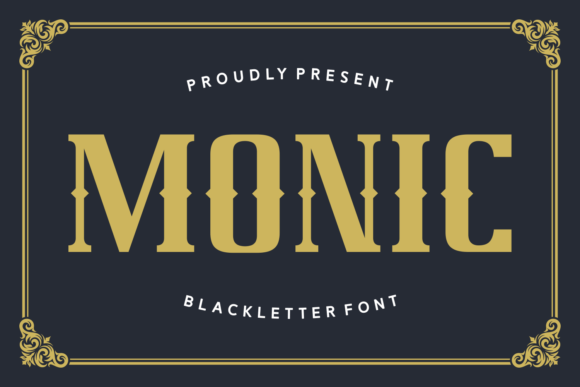
Monic Font Evaluation
In the realm of digital typography, selecting the right typeface is often the difference between a design that resonates and one that fades into the background. For designers, brand managers, and creative professionals seeking a blend of historical gravitas and modern versatility, Monic has emerged as a compelling option. Classified as a stylish blackletter font with thick serifs, Monic offers a distinct visual identity that bridges the gap between traditional calligraphy and contemporary graphic design.
This evaluation explores the characteristics of Monic, its potential applications, and the practical considerations involved in integrating it into various projects. By understanding its strengths and limitations, users can make informed decisions about whether this typeface aligns with their specific aesthetic and functional goals.
Understanding the Monic Typeface
At its core, Monic is defined by its adherence to blackletter traditions while incorporating modern design sensibilities. Blackletter, or Gothic script, originated in the 12th century and is characterized by its dense, textured appearance and intricate letterforms. However, Monic does not replicate the archaic difficulty of medieval manuscripts. Instead, it refines these elements into a more accessible and legible format suitable for current design trends.
The defining feature of Monic is its use of thick serifs. These substantial horizontal strokes at the ends of characters provide a sense of weight and stability. Unlike delicate scripts that may struggle to render clearly on small screens or low-resolution prints, Monic’s robust structure ensures visibility and impact. The font balances elegance with a bold presence, making it "stylish" without sacrificing readability in appropriate contexts.
The term "versatile" is frequently associated with Monic, but it is crucial to interpret this correctly. Its versatility lies in its ability to adapt to different mediums—from high-end product packaging to digital headlines—rather than its ability to serve as a primary body text font. It is designed to be a display typeface, meaning it shines when used sparingly to draw attention rather than convey large volumes of information.
Applications and Use Cases
Given its distinctive appearance, Monic is best suited for applications where visual hierarchy and immediate impact are prioritized. Below are several scenarios where Monic proves particularly effective:
- Logo Design: For brands aiming to evoke heritage, luxury, or craftsmanship, Monic provides an instant association with tradition and quality. Its thick serifs add a premium feel that works well for breweries, artisanal bakeries, tattoo studios, and fashion labels.
- Posters and Advertisements: In print media, Monic commands attention. Its high contrast and strong lines cut through visual noise, making it ideal for event posters, album covers, and promotional banners where the headline must grab the viewer’s eye instantly.
- Product Packaging: When designing labels for wine, spirits, or specialty goods, Monic can elevate the perceived value of the product. The elegant curves combined with structural serifs suggest sophistication and care in production.
- T-Shirt Graphics: The bold nature of Monic translates well to screen printing and embroidery. Its clear shapes ensure that designs remain recognizable even when scaled down or viewed from a distance.
- Web Headers and Titles: On websites, Monic can serve as an H1 or H2 tag to establish tone. It is particularly effective for landing pages focused on lifestyle, arts, or history, provided it is paired with a highly legible sans-serif font for body copy.
Benefits and Advantages
Selecting Monic offers several tangible benefits for creative projects:
- Immediate Brand Identity: The unique silhouette of a blackletter-inspired font helps distinguish a brand from competitors using standard geometric or humanist sans-serifs. It communicates a specific mood—often romantic, vintage, or edgy—without requiring additional graphical elements.
- Aesthetic Flexibility: While rooted in history, Monic’s modern execution allows it to fit into both retro-themed designs and minimalist layouts that rely on a single striking typographic element. This duality makes it a valuable tool for designers working across diverse styles.
- High Legibility at Large Sizes: The thick serifs and open counters (the negative space inside letters) contribute to good legibility when the font is used at larger sizes. This reduces eye strain for viewers reading headlines or titles.
- Creative Inspiration: Using a distinctive font like Monic can spark new ideas during the brainstorming phase. Its strong character often dictates the overall direction of a layout, encouraging designers to build cohesive compositions around its personality.
Tradeoffs and Considerations
Despite its strengths, Monic is not a universal solution. Understanding its limitations is critical to avoiding common design pitfalls.
Readability Constraints: As a display font, Monic should never be used for long paragraphs of text. The complexity of blackletter forms can become overwhelming to read over extended periods. Attempting to use it for body copy will result in poor user experience and reduced comprehension. Always pair Monic with a simple, neutral typeface for supporting text.
Contextual Appropriateness: The aesthetic of Monic carries cultural connotations. Depending on the industry, it may appear too informal, overly decorative, or historically specific. For example, it might be unsuitable for corporate financial reports, medical websites, or technology startups that prioritize clean, futuristic aesthetics. Careful consideration of the target audience is necessary to ensure the font aligns with brand values.
Technical Implementation: When using Monic on websites, developers must consider web font loading times and compatibility. Heavy serif fonts can sometimes render poorly on older browsers or mobile devices if not optimized correctly. Testing the font across multiple platforms ensures consistent presentation.
When to Choose Alternatives
While Monic is a powerful tool, there are situations where other typefaces may be more appropriate:
- For Minimalist Designs: If the goal is to create a clean, uncluttered interface, a geometric sans-serif or a light serif font would likely be a better choice. Monic’s density can overwhelm minimal layouts.
- For High-Volume Text: Any project requiring extensive reading, such as blogs, e-books, or news articles, should utilize a dedicated body text font. Monic lacks the subtle nuances required for comfortable long-form reading.
- For Modern Tech Brands: Companies focusing on innovation, speed, and simplicity often benefit from fonts that convey neutrality and efficiency. Monic’s historical references may clash with a forward-looking technological narrative.
Practical Decision-Making Insights
To determine if Monic is the right choice for your project, consider the following questions:
- What is the primary message? Does the content require a sense of tradition, elegance, or boldness? If so, Monic supports this narrative effectively.
- Where will the text appear? Is it for a logo, a poster, or a website header? Monic excels in prominent, short-text positions.
- Who is the audience? Will the target demographic appreciate the artistic flair of blackletter, or will they prefer straightforward clarity?
- How will it be paired? Do you have a complementary font ready for body text? Successful design relies on contrast, and Monic needs a quiet partner to balance its loud presence.
In conclusion, Monic is a stylish blackletter font with thick serifs that offers elegance and versatility for creative professionals. It is perfect for bringing specific creative ideas to life, particularly in branding, print media, and decorative web elements. By acknowledging its role as a display typeface and pairing it thoughtfully with other fonts, designers can leverage Monic to create impactful, memorable visuals. Whether used for logos, posters, product packaging, advertisements, t-shirts, websites, headlines, headers, titles, book covers, or more, Monic provides a distinctive voice in a crowded visual landscape. Evaluate your project’s needs against the font’s characteristics to ensure a harmonious and effective design outcome.