Blumen Typeface Evaluation
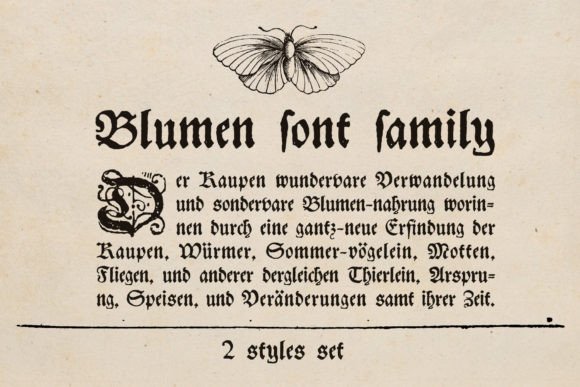
In the landscape of digital typography, certain typefaces transcend mere utility to become stylistic statements. Blumen is one such font, a classic blackletter typeface that commands attention through its intricate detailing and dramatic presence. For designers, developers, and content creators evaluating typography options, understanding the specific characteristics, applications, and limitations of Blumen is essential for making informed design decisions.
This evaluation explores the visual architecture of Blumen, examines its suitability for various design contexts, and provides practical guidance on when to utilize this striking font versus when to consider alternative typefaces. By analyzing both the aesthetic power and functional constraints of Blumen, readers can determine whether it aligns with their project goals.
Visual Characteristics and Design Philosophy
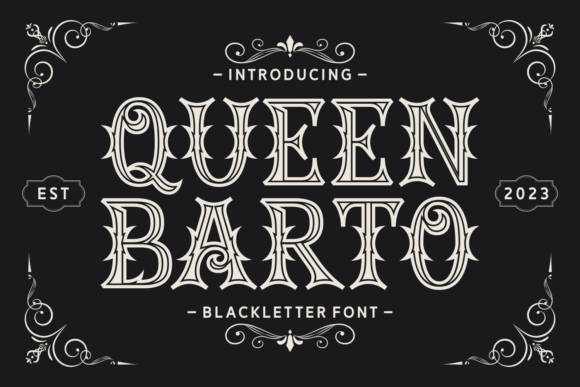
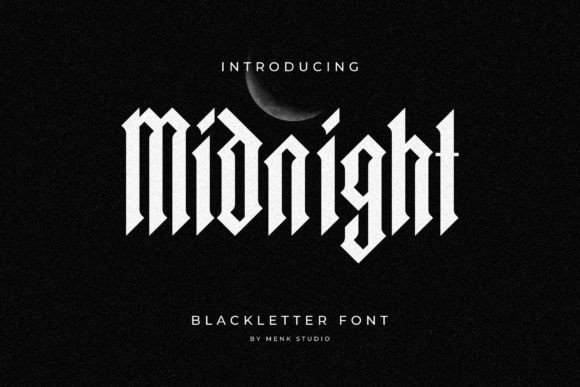
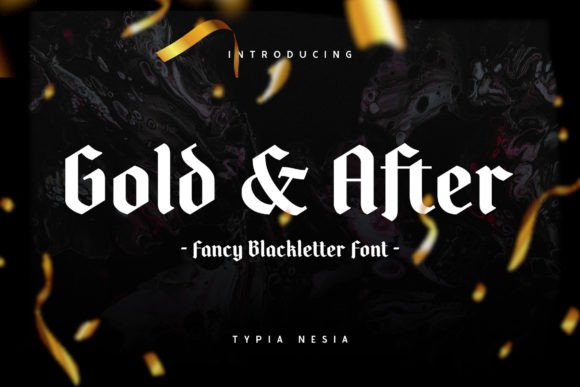
Blumen belongs to the blackletter family, a style rooted in medieval European manuscript traditions. However, unlike some historical reproductions that may feel archaic or difficult to read, Blumen offers a refined interpretation that balances historical authenticity with modern legibility standards. The font is defined by several key visual elements:
- Intricate Ornamentation: The glyphs feature complex internal structures, with flourishes and decorative elements that add visual richness.
- Sharp Angles: True to its blackletter heritage, Blumen employs sharp, angular transitions between strokes, creating a sense of precision and structure.
- Dramatic Stroke Contrast: There is a distinct variation between thick vertical stems and thin connecting lines, which creates high visual impact.
- Bold Presence: The overall weight and density of the characters give the text a commanding authority, making it stand out in crowded layouts.
These features combine to create a typeface that exudes sophistication and drama. It is not designed to be invisible; rather, it is intended to be a focal point. This makes Blumen particularly effective in contexts where the typography itself needs to convey a specific mood or brand identity before the content is even read.
Primary Use Cases and Strengths
Due to its distinctive aesthetic, Blumen is best suited for display purposes rather than body text. Its strength lies in capturing attention and setting a tone. Below are the primary scenarios where Blumen performs exceptionally well:
Event Invitations and Stationery
One of the most common and effective uses for Blumen is in formal invitations, wedding stationery, and event programs. The font’s elegant curves and historic feel evoke a sense of tradition, formality, and celebration. When used for names, dates, or headers on invitations, Blumen adds a layer of prestige and artistic flair that simpler sans-serif fonts cannot achieve.
Brand Logos and Identity
For brands seeking to communicate heritage, craftsmanship, or luxury, Blumen serves as a powerful logo component. Industries such as brewing (particularly craft beer), tattoo studios, music bands (especially metal or rock genres), and artisanal goods often leverage blackletter fonts to signal authenticity and boldness. A logo set in Blumen immediately communicates a specific cultural association, helping brands differentiate themselves in saturated markets.
Book Covers and Editorial Headers
In publishing, Blumen is an excellent choice for book covers, particularly for fantasy, historical fiction, or gothic literature. It also works well for section headers, pull quotes, or titles in magazines and blogs that aim for a vintage or dramatic editorial style. The font’s ability to command space ensures that headlines grab the reader’s eye amidst other visual clutter.
Considerations and Potential Tradeoffs
While Blumen offers significant aesthetic benefits, it also presents challenges that designers must manage carefully. Understanding these tradeoffs is crucial for avoiding usability issues.
Legibility at Small Sizes
The intricate details and sharp angles that make Blumen visually striking also reduce its legibility at small sizes. In body copy, especially on mobile devices or low-resolution screens, the fine details can blur or merge, causing reading fatigue. Therefore, Blumen should generally be reserved for large-scale display use. If a project requires extensive reading material, Blumen should only be used sparingly for accents, while a more neutral font handles the bulk of the text.
Compatibility and Readability
Blackletter fonts can sometimes clash with modern, minimalist design trends. Using Blumen in a clean, tech-focused interface may create a jarring dissonance that confuses users. Additionally, accessibility standards require high contrast and clear letterforms. While Blumen is readable at appropriate sizes, its complexity means it may not meet the strictest accessibility guidelines for users with dyslexia or visual impairments if used incorrectly.
Overuse and Cliché
Because blackletter fonts have been widely adopted by certain subcultures (such as heavy metal music or craft breweries), there is a risk of cliché. Overusing Blumen without thoughtful pairing or context can make a design feel generic or unoriginal. Designers must ensure that the font choice adds genuine value to the brand narrative rather than relying solely on trend-driven aesthetics.
Comparative Analysis: When to Choose Alternatives
Evaluating Blumen involves comparing it against other typographic options based on specific project needs. Here is a guide to help decide when Blumen is the right choice and when alternatives are preferable.
| Project Goal | Recommended Font Style | Reasoning |
|---|---|---|
| High Legibility & Speed | Sans-Serif (e.g., Helvetica, Roboto) | For UI/UX, technical documentation, or news sites where quick scanning is critical, Blumen’s complexity slows down reading speed. |
| Modern Minimalism | Clean Serif or Geometric Sans | If the brand identity is sleek, futuristic, or corporate, Blumen’s ornate nature may appear outdated or overly decorative. |
| Heritage & Drama | Blumen | For brands emphasizing history, luxury, or bold artistic expression, Blumen provides the necessary visual weight and character. |
| Approachable & Friendly | Rounded Sans or Humanist Serif | For children’s products, casual apps, or community-focused organizations, Blumen may feel too severe or intimidating. |
Practical Implementation Tips
To maximize the effectiveness of Blumen in your projects, consider the following practical insights:
- Pairing Strategy: Balance Blumen with simple, neutral typefaces. Since Blumen is visually "loud," pair it with clean sans-serifs for supporting text. This contrast highlights the elegance of Blumen while maintaining readability.
- White Space Management: Give Blumen room to breathe. Avoid crowding it with dense blocks of text or competing graphic elements. Generous white space enhances its sophisticated appearance.
- Color Considerations: High-contrast color combinations work best. Black text on white backgrounds, or gold foil effects on dark paper, accentuate the intricate details of the font. Muted colors may cause the fine details to get lost.
- Testing Across Devices: Always test how Blumen renders on different screens. Ensure that the sharp angles remain crisp and do not pixelate on lower-resolution displays.
Conclusion
Blumen is a powerful tool in the designer’s arsenal, offering a unique blend of historical elegance and modern dramatic impact. It excels in contexts where visual hierarchy and emotional resonance are paramount, such as branding, invitations, and editorial design. However, its complexity demands careful handling to avoid legibility issues and aesthetic mismatch.
For those researching typography options, Blumen is worth considering if your goal is to create a memorable, sophisticated, and bold visual identity. It is less suitable for projects prioritizing speed, minimalism, or universal accessibility. By weighing these factors against your specific project requirements, you can determine whether Blumen will enhance your design vision or if a more subdued typeface would serve your audience better. Ultimately, the decision rests on aligning the font’s inherent character with the message you wish to convey.