Queen Barto: A Strategic Evaluation of a High-Impact Blackletter Typeface
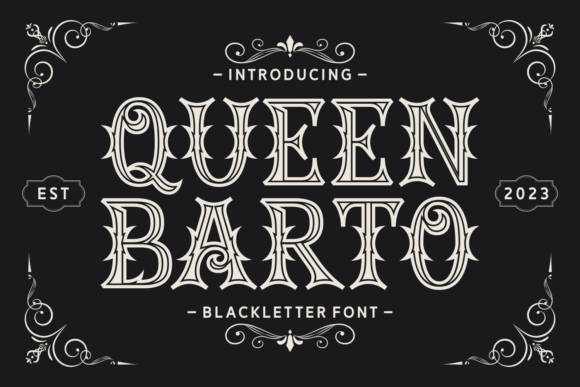
In the landscape of contemporary typography, finding a font that balances historical authenticity with modern graphic design demands is often a challenge. Many blackletter typefaces lean too heavily into theatricality, sacrificing legibility for aesthetic flair, while others feel dated or overly rigid. Queen Barto emerges as a distinct alternative in this crowded space. It is a gorgeous, intricately stylized blackletter font designed to bring a touch of sophistication to a wide array of typography projects. By combining elegant swashes with sharp, pointy elements, Queen Barto offers a visual language that speaks to heritage, authority, and refined taste.
This evaluation examines Queen Barto not merely as a decorative asset, but as a functional tool for designers, marketers, and creators. We will explore its structural characteristics, practical applications, and the specific contexts where it delivers the most value. Whether you are designing a logo for a boutique brand, laying out a music album cover, or creating signage for a physical event, understanding the nuances of Queen Barto can significantly impact the final output’s effectiveness.
Visual Characteristics and Design Anatomy
To understand why Queen Barto works, one must first dissect its visual anatomy. The typeface belongs to the blackletter family, historically rooted in medieval manuscripts and early printing presses. However, Queen Barto does not attempt to replicate a specific historical era with archaeological precision. Instead, it interprets the blackletter form through a modern lens, prioritizing elegance and readability where possible.
- Intricate Styling: The letters are constructed with a high level of detail. The strokes vary in thickness, creating a dynamic rhythm that draws the eye across the text. This intricate styling prevents the font from appearing flat or monotonous, adding depth even at smaller sizes.
- Elegant Swashes: One of Queen Barto’s defining features is its use of swashes. These decorative extensions on capital letters and certain lowercase forms add a layer of ornamental beauty. They soften the inherent harshness of traditional blackletter, lending the typeface a sense of grace and fluidity that appeals to contemporary audiences.
- Pointy Elements: Contrasting with the flowing swashes are the sharp, pointy terminals and serifs. These elements provide structure and tension, ensuring the font retains its strength and character. This duality—soft elegance meeting sharp precision—is what gives Queen Barto its sophisticated edge.
The result is a typeface that feels both ancient and current. It avoids the cluttered density of some gothic fonts, opting instead for a cleaner execution that allows individual letterforms to breathe. This balance is crucial for usability, as it ensures the font remains impactful without becoming visually exhausting.
Practical Applications and Use Cases
While Queen Barto is undoubtedly striking, its utility extends beyond mere decoration. Its versatility allows it to serve various professional needs across different industries. Below are key areas where Queen Barto demonstrates significant practical value.
Branding and Logo Design
For brands seeking to convey heritage, luxury, or artisanal quality, Queen Barto is a strong candidate. Logos created with this typeface immediately signal a connection to tradition and craftsmanship. It is particularly effective for businesses in the following sectors:
- Craft Breweries and Distilleries: The beer industry has long utilized blackletter aesthetics to suggest brewing traditions. Queen Barto offers a more refined alternative to standard gothic fonts, suitable for premium labels.
- Boutique Retail and Fashion: High-end clothing lines, jewelry brands, and specialty shops can use Queen Barto to create a sense of exclusivity and elegance.
- Legal and Financial Services: In contexts where trust and established history are paramount, the authoritative weight of blackletter can reinforce a brand’s reliability.
Packaging and Album Art
In the realm of product packaging and music media, visual impact is paramount. Queen Barto’s embellished nature makes it ideal for headlines and titles that need to stand out on shelves or digital storefronts.
- Book Covers: For historical fiction, fantasy novels, or poetry collections, Queen Barto sets the tone instantly. It suggests a narrative depth that sans-serif or standard serif fonts might fail to communicate.
- Music Album Covers: Genres such as folk, rock, metal, and indie often draw inspiration from vintage aesthetics. Queen Barto provides a sophisticated twist on these themes, allowing artists to pay homage to classic styles without appearing cliché.
Signage and Environmental Graphics
When used for signage, whether for a restaurant menu board, a wedding invitation suite, or event branding, Queen Barto adds a tactile quality to digital designs. The pointy elements and swashes catch the light and attention, making physical prints feel more substantial and considered.
Quality, Usability, and Workflow Integration
Evaluating a typeface requires looking beyond its appearance to how it functions within a design workflow. Queen Barto scores well on several fronts regarding technical quality and flexibility.
Legibility Considerations
It is important to acknowledge that blackletter typefaces inherently present legibility challenges, especially in body text. Queen Barto is best suited for display purposes—headlines, titles, logos, and short phrases. Using it for long-form paragraphs is generally discouraged, as the intricate details can become muddy and difficult to read at small sizes. Professional designers should treat Queen Barto as a headline font, pairing it with simpler, neutral sans-serif or serif fonts for supporting text. This contrast enhances readability while maintaining visual interest.
Consistency and Reliability
The construction of Queen Barto is consistent across its character set. The stylistic choices made for the uppercase letters are mirrored appropriately in the lowercase forms, ensuring a cohesive look. The inclusion of swashes adds variety without compromising the overall integrity of the typeface. For freelancers and agencies working under tight deadlines, this consistency reduces the time spent adjusting kerning and spacing manually, streamlining the production process.
Flexibility in Digital and Print
Queen Barto performs well in both digital and print mediums. On screens, the sharp points and clean lines render crisply, provided the resolution is sufficient. In print, the font’s intricate details shine, particularly when printed on textured papers or with foil stamping techniques. The typeface’s ability to translate effectively across mediums makes it a reliable choice for multi-channel campaigns.
Audience Fit and Strategic Recommendations
Who benefits most from incorporating Queen Barto into their toolkit? The answer depends on the specific goals of the project and the target audience.
Ideal Users
- Designers Seeking Differentiation: For graphic designers who find themselves using the same generic fonts as their competitors, Queen Barto offers a distinctive voice. It helps break the monotony of modern minimalist trends by introducing a bold, historical element.
- Entrepreneurs in Niche Markets: Small business owners in artisanal, culinary, or creative fields can leverage Queen Barto to position their brands as premium and authentic. It communicates care and attention to detail before the customer even engages with the product.
- Content Creators and Publishers: Bloggers, publishers, and educators who produce content related to history, arts, or culture can use Queen Barto to enhance the thematic relevance of their materials.
Potential Limitations
Despite its strengths, Queen Barto is not a universal solution. It may clash with brands that prioritize ultra-modern, tech-forward, or approachable personas. In these cases, the formality and historical weight of Queen Barto could create a disconnect between the visual identity and the brand message. Additionally, due to its complexity, it may not reproduce well on low-quality printers or very small formats. Designers must test outputs carefully to ensure the intricate details remain intact.
Long-Term Value and Conclusion
Investing in a high-quality typeface like Queen Barto is an investment in the longevity and professionalism of your visual assets. Unlike fleeting design trends, blackletter aesthetics have endured for centuries because they tap into deep-seated associations with authority and artistry. Queen Barto updates this timeless style for the modern era, making it relevant for current projects while retaining its classic appeal.
For professionals who value precision, elegance, and impact, Queen Barto is a valuable addition to any font library. Its ability to elevate logos, book covers, album art, and signage makes it a versatile tool for serious creators. By understanding its strengths and limitations, designers can deploy Queen Barto strategically, ensuring that every project benefits from its sophisticated character. In a digital world saturated with generic templates, choosing a typeface with such distinct personality is a smart move toward standing out.
Ultimately, Queen Barto is more than just a font; it is a design decision that signals quality. When used thoughtfully, it transforms ordinary text into a compelling visual statement, proving that even in the age of digital minimalism, there is still room for grand, beautiful, and intricate typography.