Welcome to the Art of Expression with Blackletter Typography
In the landscape of digital and print design, typography is rarely just about readability; it is a primary vehicle for tone, heritage, and emotional resonance. When designers seek to convey authority, tradition, or a dramatic flair, they often turn to historical typefaces that carry significant visual weight. Among these, Blackletter Welcome Font stands out as a sophisticated choice for projects demanding bold black strokes and timeless elegance. This typeface does not merely display text; it frames every word as a statement, bridging the gap between medieval calligraphy and modern graphic demands.
For professionals evaluating their typographic toolkit, understanding the specific niche of Blackletter Welcome involves looking beyond its aesthetic appeal to its functional applications, tradeoffs, and comparative advantages against other stylistic categories. Whether you are designing a brand identity, an event invitation, or a digital header, selecting the right font requires a nuanced evaluation of how well the typeface aligns with your project’s core message.
Defining the Characteristics of Blackletter Welcome
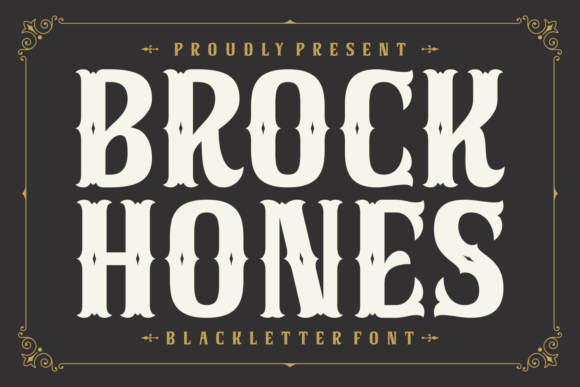
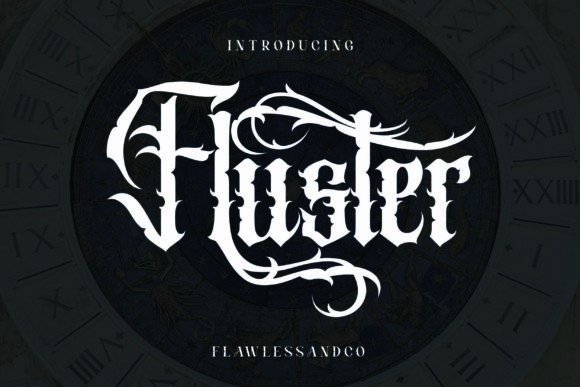
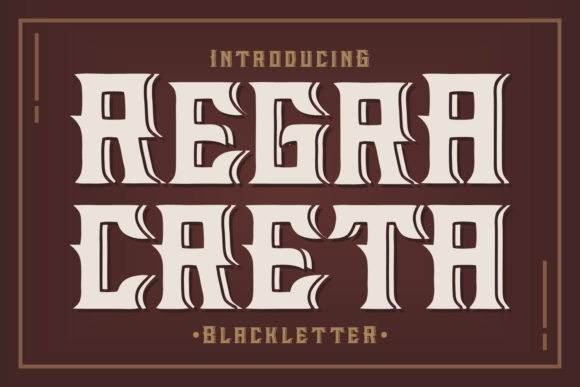
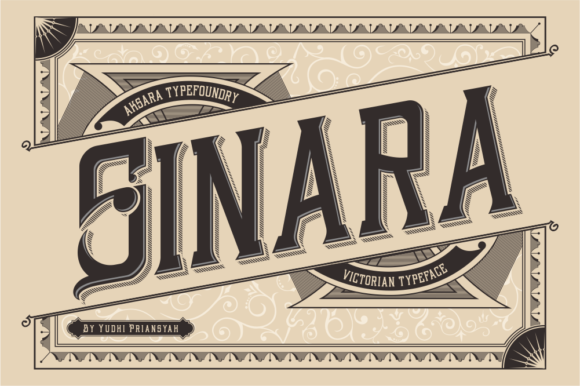
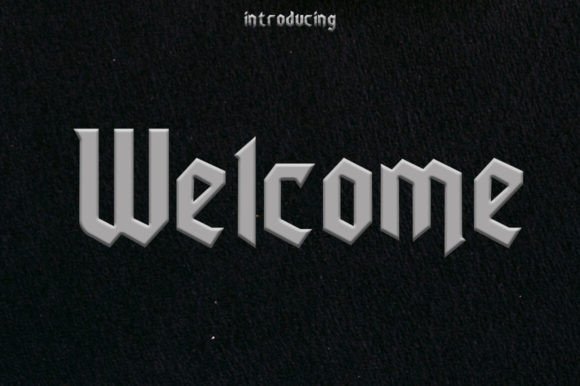
To evaluate any typeface effectively, one must first understand its structural DNA. Blackletter Welcome is rooted in the Gothic script tradition, characterized by dense, vertical lines and sharp angles that create a sense of solidity and permanence. Unlike lighter serif fonts that prioritize legibility at small sizes, this font leverages bold black strokes to command attention immediately. The result is a visual texture that feels substantial and grounded.
The distinctiveness of Blackletter Welcome lies in its balance between historical authenticity and contemporary usability. While many blackletter fonts can feel archaic or difficult to read in long-form content, this specific typeface is engineered to maintain clarity even within its complex forms. The strokes are uniform enough to provide rhythm, yet varied enough to offer the organic feel of hand-lettered calligraphy. This makes it particularly effective for headlines, logos, and short phrases where impact is prioritized over volume.
- Visual Weight: The heavy stroke width ensures high visibility, making it ideal for large-scale displays.
- Historical Resonance: It evokes a sense of history, craftsmanship, and established tradition without appearing outdated.
- Versatility in Application: While best suited for display purposes, its clean cuts allow for integration into modern minimalist layouts when used sparingly.
Evaluating Fit: When to Choose Blackletter Welcome
Selecting a typeface is a decision-making process that hinges on context. Blackletter Welcome is not a universal solution; it is a specialized tool designed for specific communicative goals. Understanding when to deploy this font—and when to hold back—is crucial for maintaining design integrity.
Ideal Use Cases
This font excels in environments where the goal is to establish immediate gravitas or thematic immersion. For instance, in the hospitality industry, it might be used for restaurant menus or bar signage to evoke a sense of old-world charm. In the entertainment sector, it serves well for concert posters, album covers, or festival branding where drama and intensity are desired. Similarly, in publishing, it can add a touch of sophistication to book titles, particularly in genres like fantasy, history, or classic literature.
Furthermore, Blackletter Welcome is highly effective for personal branding in creative fields. A photographer, artist, or artisan might use it to signal a commitment to traditional skills and meticulous attention to detail. In these scenarios, the font acts as a visual shorthand for quality and heritage.
Situations Requiring Caution
Conversely, there are clear limitations to its application. Due to its complexity and density, Blackletter Welcome is generally unsuitable for body text. Reading long passages in this style can cause eye strain and reduce comprehension speed. Additionally, its strong visual personality can clash with designs aiming for neutrality, transparency, or approachability. If your project requires a friendly, casual, or corporate tone, this font may introduce unwanted formality or aggression.
Another consideration is accessibility. High-contrast, intricate letterforms can sometimes struggle with screen readers or low-resolution displays. Designers must ensure that any critical information conveyed through this font is also supported by accessible alternatives or sufficient contrast ratios.
Comparative Analysis: Alternatives and Categories
When exploring options, designers often compare Blackletter Welcome against broader categories such as Serif, Sans-Serif, and Script fonts. Each category offers distinct advantages depending on the project’s needs.
Blackletter vs. Traditional Serif Fonts
Traditional serif fonts like Garamond or Baskerville are the workhorses of professional design. They offer excellent readability and a refined aesthetic suitable for both headings and body copy. In comparison, Blackletter Welcome is far more decorative and assertive. While a serif font whispers sophistication, Blackletter Welcome shouts it. If the goal is subtle elegance and ease of reading, a traditional serif is the superior choice. However, if the objective is to create a memorable, striking visual identity, Blackletter Welcome provides a level of differentiation that standard serifs cannot match.
Blackletter vs. Modern Script Fonts
Script fonts mimic handwriting and offer a fluid, human touch. They are often associated with creativity, informality, and grace. Blackletter Welcome, while artistic, is rigid and structured. It lacks the flowing connectivity of cursive scripts but compensates with a sense of stability and strength. For a wedding invitation, a flowing script might feel more romantic and personal. For a brewery label or a rock band poster, the sturdy architecture of Blackletter Welcome conveys robustness and edge. The choice here depends on whether the desired emotion is fluidity or solidity.
Blackletter vs. Geometric Sans-Serif
Geometric sans-serifs represent modernity, cleanliness, and efficiency. They are neutral and highly versatile. Introducing Blackletter Welcome into a layout dominated by geometric sans-serifs creates a powerful juxtaposition. This contrast can be used strategically to highlight specific elements, such as a logo or a key headline, against a clean background. However, using them together requires careful balancing to avoid visual chaos. The sans-serif provides the necessary breathing room for the heavy blackletter to stand out without overwhelming the composition.
Strategic Implementation and Best Practices
Maximizing the potential of Blackletter Welcome requires strategic implementation. Because of its visual dominance, it should be used as an accent rather than a foundation. Pairing it with a simple, neutral sans-serif or a light serif font can create a harmonious hierarchy. The blackletter handles the emotional hook, while the secondary font ensures informational clarity.
Spacing is another critical factor. Blackletter characters often have tight counters (the negative space inside letters) and complex shapes. Increasing tracking (letter spacing) slightly can improve legibility and give the text a more premium, airy feel. Conversely, cramming these characters together can result in a muddy, illegible block of ink. Designers should experiment with whitespace to allow the bold strokes to breathe.
Color selection also plays a pivotal role. While black is the traditional and most impactful choice, deep jewel tones like burgundy, navy, or forest green can add warmth and depth. Metallic foils, such as gold or silver, can enhance the luxurious appeal, particularly for packaging or high-end stationery. However, overly bright or neon colors may undermine the sophisticated, timeless nature of the typeface.
Conclusion: Making an Informed Decision
Evaluating Blackletter Welcome Font involves recognizing its unique position in the typographic spectrum. It is not a replacement for functional, everyday typefaces but rather a powerful enhancer for specific creative contexts. Its bold black strokes and historical roots make it an invaluable asset for projects seeking to convey authority, tradition, and dramatic expression.
By carefully considering the audience, the medium, and the overall design strategy, professionals can leverage this typeface to elevate their work from ordinary to extraordinary. Whether used for a brand identity that needs to stand out in a crowded market or a project that aims to evoke a sense of timeless artistry, Blackletter Welcome offers a distinctive voice. As with all design choices, the key lies in intentional application—using its strengths to complement, rather than compete with, the rest of the visual narrative.
For those ready to explore the possibilities, the next step is to test the font in various contexts. Experiment with different pairings, scales, and colors to see how it interacts with your specific content. Through this process of exploration and evaluation, you will determine how best to integrate Blackletter Welcome into your workflow, ensuring that every word truly makes the statement you intend.