Fluster: Elevating Visual Identity with Blackletter Typography
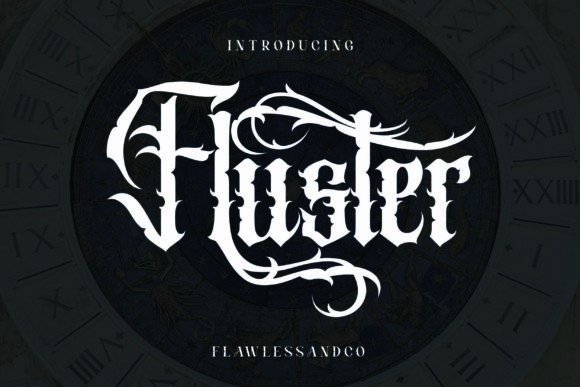
In an era where digital noise drowns out distinct voices, the choice of typography often serves as the silent ambassador for your brand or creative project. It is not merely about legibility; it is about setting a tone, establishing authority, and evoking an immediate emotional response before a single word is read. For designers, entrepreneurs, and content creators seeking to inject heritage, weight, and character into their work, Fluster emerges as a compelling tool. This beautiful Blackletter font offers more than just aesthetic appeal; it provides a structural foundation for designs that demand attention.
Blackletter typefaces have historically been associated with formality, tradition, and gravitas. However, when applied correctly in modern contexts, they can bridge the gap between historical elegance and contemporary boldness. Fluster captures this balance effectively. Its intricate strokes and dramatic contrast allow it to function not just as text, but as a graphic element in itself. Whether you are crafting a high-end brand identity or designing a striking poster, understanding how to leverage such a distinctive typeface can significantly enhance the visual hierarchy and overall impact of your communication.
The Strategic Value of Distinctive Typography
Selecting a typeface like Fluster requires a shift in perspective from viewing fonts as mere containers for words to seeing them as primary design components. The unique architecture of Blackletter—characterized by its dense, vertical lines and ornate serifs—creates a visual texture that is difficult to replicate with sans-serif or standard serif fonts. This density allows the text to carry visual weight, making it ideal for headlines, logos, and display purposes where immediate recognition is crucial.
For professionals in marketing and branding, this means having access to a typographic voice that commands respect. When used on business cards or letterheads, Fluster can signal that a business values craftsmanship and detail. It suggests a level of sophistication that appeals to audiences looking for premium experiences. Similarly, in the realm of photography and artistic portfolios, using Fluster for captions or titles can add a layer of narrative depth, transforming simple images into curated exhibits.
However, the power of such a strong typeface lies in its restraint. Because Fluster is visually dominant, it works best when given space to breathe. Overcrowding these characters can lead to illegibility, undermining the very clarity that good design seeks to achieve. Therefore, the strategic application involves pairing Fluster with simpler, cleaner elements to create contrast. This interplay between the complex and the simple guides the viewer’s eye and ensures that the message remains accessible despite the ornate presentation.
Practical Applications Across Creative Industries
The versatility of Fluster extends across various mediums, each offering unique opportunities for expression. In poster design, the font’s dramatic presence can anchor a composition. Imagine a concert poster for a jazz ensemble or a literary festival; Fluster can evoke the nostalgia of vintage playbills while maintaining a modern edge. The bold strokes ensure visibility even from a distance, making it an effective tool for outdoor advertising or event promotion.
- Branding Materials: For small business owners and freelancers, establishing a memorable brand identity is paramount. Fluster can be used for logo construction, particularly for businesses in sectors like craft brewing, artisanal food production, or boutique fashion. These industries often benefit from a sense of heritage and authenticity, which Blackletter naturally conveys.
- Apparel Design: T-shirt graphics often rely on typography to convey attitude. Fluster brings a rugged yet refined quality to apparel, suitable for streetwear brands or music-related merchandise. Its structure holds up well under printing processes, ensuring that the details remain sharp whether screen-printed or digitally transferred.
- Digital Content: Bloggers and educators can use Fluster sparingly to highlight key quotes or section headers. While body text should remain highly readable, using Fluster for pull-quotes adds visual interest and breaks up long stretches of text, encouraging readers to pause and reflect on specific points.
Leveraging Alternate Characters for Enhanced Visuals
One of the most powerful features of high-quality fonts like Fluster is the inclusion of alternate characters. These variations allow designers to tweak the visual rhythm of a word without changing the underlying message. By experimenting with different glyph options, you can adjust the spacing, alter the flow, or emphasize certain letters to better fit the layout constraints of your design.
For instance, if a particular word feels too heavy on one side, switching to a lighter alternate character can balance the composition. This level of control is essential for professional designers who need to solve complex typographic problems. It transforms the font from a static asset into a dynamic toolkit. Users are encouraged to try out some alternate characters for another visual result, testing how different combinations affect the overall harmony of the design. This process of iteration can lead to unexpected and aesthetically pleasing outcomes that elevate the final product.
This feature is particularly useful in logo design, where every pixel counts. A slight adjustment in the curve of a letter or the thickness of a stroke can change the entire perception of the brand mark. By exploring these alternatives, creators can find the perfect configuration that aligns with their brand’s personality, whether it leans towards traditional elegance or modern edginess.
Considerations for Effective Implementation
While Fluster offers significant benefits, it is not a one-size-fits-all solution. Its strength is also its limitation; it can easily overwhelm a design if used excessively. Professionals must exercise judgment in determining where and when to apply it. Using Fluster for long paragraphs of text is generally inadvisable due to its complexity, which can cause reader fatigue. Instead, reserve it for short bursts of text where impact is prioritized over volume.
Additionally, color plays a critical role in how Fluster is perceived. Dark, rich colors like deep reds, blacks, or navy blues tend to complement the font’s historical roots, while stark white backgrounds can make the black strokes pop dramatically. Conversely, using light colors on dark backgrounds may require adjustments to stroke weight to maintain readability. Understanding these nuances helps in creating designs that are not only visually striking but also functional and user-friendly.
Furthermore, accessibility should never be compromised. When using Fluster for important information, such as contact details or calls to action, ensure that there is sufficient contrast and size. Testing the design across different devices and screen sizes is essential to guarantee that the intricate details of the font do not get lost in translation. By being mindful of these factors, creators can harness the full potential of Fluster while maintaining high standards of usability.
Conclusion
Fluster represents more than just a typeface; it is a statement of intent. It signals a commitment to quality, history, and visual excellence. For those willing to invest the time in learning how to wield it effectively, the rewards are substantial. From strengthening brand identity to enhancing the aesthetic appeal of creative projects, Fluster offers a unique avenue for expression. By integrating this beautiful Blackletter font into your workflow, you add a layer of distinction that sets your work apart in a crowded marketplace. The key lies in thoughtful application, leveraging its strengths while respecting its limitations, ultimately creating designs that resonate deeply with your audience.