Butterfly Logo Design: A Symbol of Transformation and Elegance for Modern Brands
In the competitive landscape of visual branding, few symbols possess as much inherent meaning and aesthetic versatility as the butterfly logo. Whether you are launching a new skincare line, rebranding a wellness clinic, or establishing a boutique fashion label, the choice of iconography plays a pivotal role in communicating your company’s core values. The butterfly is not merely an insect; it is a powerful emblem of metamorphosis, beauty, freedom, and delicate strength. For business owners and designers alike, understanding how to effectively utilize a butterfly vector can elevate a brand’s identity from simple to sophisticated.
Understanding the Psychology Behind the Butterfly Icon
To create a compelling brand identity, one must first understand the emotional resonance of the chosen symbol. The butterfly represents transformation—a journey from a crawling caterpillar to a flying creature with vibrant wings. This narrative aligns perfectly with businesses focused on growth, change, and renewal. When potential clients see a butterfly sign, they subconsciously associate it with positive life changes, such as weight loss success, mental health breakthroughs, or personal style evolution.
Furthermore, the symmetry of the butterfly wings suggests balance and harmony. In design terms, this translates to a sense of order and professionalism. A well-crafted butterfly illustration can convey that a business is organized, reliable, and attentive to detail. This is particularly crucial for industries like health care, dermatology, and psychology, where trust and stability are paramount.
Key Applications Across Industries
The adaptability of the butterfly motif allows it to span across a wide array of sectors. Below are some of the most common and effective applications:
- Beauty and Cosmetics: For brands selling makeup, skin care, or organic cosmetics, the butterfly serves as a metaphor for enhancing natural beauty. Its association with flowers and nature makes it ideal for organic and natural product lines. A floral butterfly logo can suggest that products are gentle, plant-based, and nurturing.
- Wellness and Spa Services: The concept of relaxation and rejuvenation is central to spa culture. A minimalist butterfly logo using soft curves and calming colors like pastels or earth tones can communicate tranquility. It suggests that customers will leave feeling lighter and more refreshed, mirroring the lightness of flight.
- Psychology and Counseling: As mentioned, the theme of transformation is deeply relevant here. A psychology icon featuring a butterfly can symbolize the journey of self-discovery and healing. It offers a non-clinical, approachable image that encourages individuals to seek help without stigma.
- Fashion and Accessories: In the world of fashion, the butterfly represents elegance and femininity. Luxury brands often use gold foil butterfly logos or intricate geometric designs to denote premium quality. It adds a touch of whimsy and grace to clothing labels, jewelry marks, and accessory tags.
- Technology and Innovation: While less traditional, modern tech startups sometimes adopt a geometric butterfly to represent connectivity and data flow. The overlapping wings can symbolize the merging of different technologies or ideas, creating something beautiful and functional out of complex systems.
Design Elements That Define a Successful Butterfly Logo
Creating a memorable butterfly graphic requires careful consideration of style, color, and composition. Here are essential elements to keep in mind when working with a designer or selecting a template:
1. Simplicity and Minimalism
In an era of digital-first marketing, a simple butterfly logo is often more effective than a highly detailed one. Complex illustrations may lose clarity when scaled down to a favicon or printed on a small business card. A line art butterfly or a silhouette design ensures that the brand remains recognizable across all mediums. The goal is to capture the essence of the insect with the fewest possible strokes.
2. Color Psychology
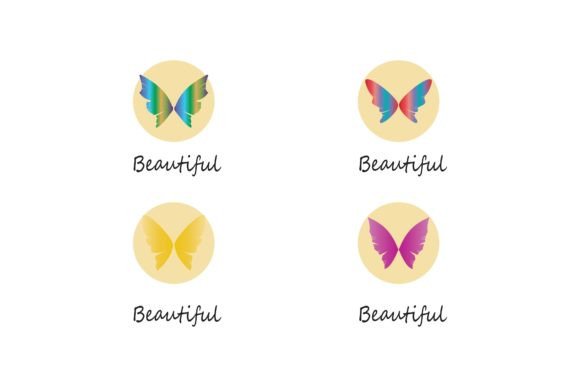
Colors dictate the mood of your butterfly emblem. Blue butterflies often convey trust, calmness, and intelligence, making them suitable for medical or corporate entities. Green butterflies suggest health, freshness, and eco-friendliness, perfect for organic brands. Gold and black combinations exude luxury and exclusivity, while bright, colorful palettes appeal to youthful, energetic markets. Choosing the right color scheme is critical to ensuring your logo design resonates with your target audience.
3. Style and Technique
There are several distinct styles for rendering a butterfly symbol:
- Flat Design: Clean, two-dimensional shapes that are trendy and easy to read. This style works well for apps and modern startups.
- Hand-Drawn/Sketch: Adds a human, artisanal touch. Ideal for boutiques, salons, and handmade goods.
- Polygonal/Geometric: Uses triangles and polygons to create a faceted look. This conveys precision and modernity, often used in tech or architecture firms.
- Ornamental: Features intricate details and flourishes. Best for luxury brands, wedding invitations, and high-end jewelry.
Common Challenges in Butterfly Logo Design
Despite its popularity, designing a butterfly icon comes with specific challenges. One major issue is originality. Because the butterfly is a common motif, there is a risk of creating a generic design that blends in with competitors. To avoid this, focus on unique variations, such as integrating the butterfly shape with other elements like leaves, hearts, or abstract waves.
Another challenge is scalability. A detailed butterfly vector might look stunning on a website banner but become a muddy blob on a mobile app icon. Always test your design at various sizes. Ensure that the negative space (the background) is balanced so that the wings do not appear cluttered or overwhelming.
Practical Tips for Implementation
Once you have selected or designed your butterfly logo, proper implementation is key to maximizing its impact.
- Versatility: Ensure your logo works in both full color and single-color (black or white) formats. This is essential for embossing on packaging, printing on receipts, or faxing documents.
- Consistency: Use the same butterfly illustration across all platforms—social media profiles, email signatures, and merchandise. Consistent branding builds recognition and trust over time.
- Contextual Relevance: If your brand focuses on hair removal or skincare, ensure the butterfly appears delicate and smooth. If it is a fitness brand, consider a more dynamic pose that suggests movement and energy.
Conclusion
A butterfly logo is more than just a decorative element; it is a strategic tool for communication. By leveraging the universal symbolism of transformation, beauty, and freedom, businesses can connect emotionally with their audience. Whether you opt for a modern minimalist approach or a classic ornate design, the key is to align the visual style with your brand’s personality and goals. With thoughtful planning and attention to detail, a butterfly emblem can become an enduring symbol of your company’s unique identity.