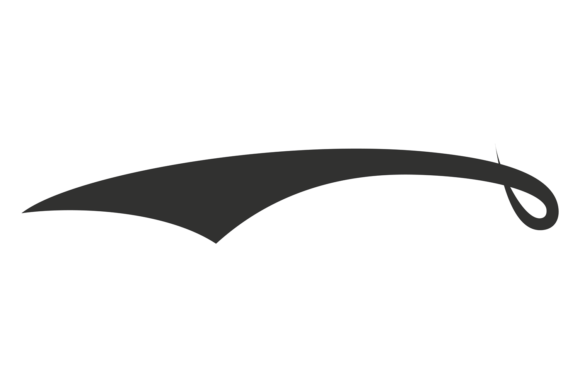
Black Letter Tail. Retro Swoosh. Curled: Redefining Visual Identity in a Digital-First Landscape
In the realm of graphic design and brand identity, few elements carry as much visual weight as the interplay between typography and motion. The specific aesthetic defined by Black Letter Tail. Retro Swoosh. Curled represents more than just a stylistic choice; it is a sophisticated synthesis of historical calligraphy and modern kinetic energy. This design motif, characterized by its bold, blackletter-inspired letterforms, dynamic swooping lines, and intricate curled decorative elements, has emerged as a powerful tool for creators seeking to balance heritage with contemporary appeal. Whether you are a branding expert, a freelance illustrator, or a business owner looking to elevate your visual communication, understanding the nuances of this style is essential for creating impactful designs that resonate across platforms.
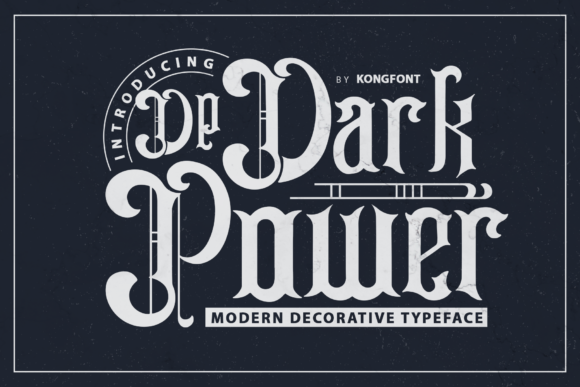
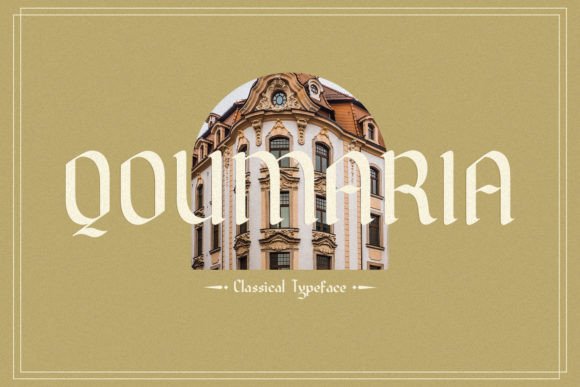
The term "Black Letter Tail" refers to the distinctive finishing stroke of a character, often derived from Gothic or Fraktur typefaces, which historically denoted authority, tradition, and craftsmanship. When paired with a "Retro Swoosh," the design gains a sense of forward momentum, breaking the static nature of traditional serif fonts. The addition of "Curled" decorative elements introduces an organic, fluid quality that softens the rigidity of the blackletter structure. Together, these components create a visual language that is both grounded in history and agile enough for the fast-paced digital economy. This combination is particularly relevant today, where consumers are increasingly drawn to brands that offer authenticity and narrative depth rather than sterile minimalism.
The Evolution of Retro Aesthetics in Modern Branding
To understand why the Black Letter Tail. Retro Swoosh. Curled aesthetic is gaining traction, one must look at the broader shift in consumer preferences toward nostalgia-driven design. Over the past decade, there has been a significant pivot away from the ultra-minimalist, flat-design trends that dominated the early 2010s. Audiences are now craving texture, depth, and character. This trend is not merely about looking old; it is about leveraging the emotional resonance of past eras—whether it be the industrial grit of the mid-century or the ornate elegance of the Renaissance—to build trust and familiarity.
The retro swoosh, in particular, serves as a bridge between these eras. It mimics the hand-drawn speed and confidence of vintage signage while maintaining the precision required for digital reproduction. For professionals in marketing and entrepreneurship, this means that logos and headers utilizing this style can instantly communicate a sense of established reliability without appearing dated. The curled decorative elements further enhance this effect by adding a layer of bespoke artistry. In a market saturated with AI-generated, generic imagery, these human-centric details signal effort, care, and unique value proposition.
This evolution is also driven by technological advancements in vector graphics. Tools that allow for precise manipulation of bezier curves have made it easier than ever to execute complex curls and swooshes that were previously time-prohibitive to draft by hand. Consequently, we see a surge in independent creators and small businesses adopting this style to compete with larger corporations, using high-quality, scalable assets to project a premium image.
Technical Specifications and Workflow Integration
For designers and developers, the practical application of the Black Letter Tail. Retro Swoosh. Curled element relies heavily on file format versatility. The availability of this asset in multiple formats—specifically EPS, JPG, SVG, and transparent PNG—caters to diverse workflow requirements. Each format serves a distinct purpose in the production pipeline, ensuring that the integrity of the design is maintained from concept to final output.
- SVG (Scalable Vector Graphics): This is the cornerstone of modern web design. An SVG version of the black letter tail with a retro swoosh allows for infinite scaling without pixelation. This is crucial for responsive websites where the logo or decorative element must adapt seamlessly from mobile screens to large desktop monitors. Furthermore, SVG files are code-based, meaning they can be easily styled with CSS, animated, or optimized for faster load times, directly contributing to better SEO performance and user experience.
- EPS (Encapsulated PostScript): For print-heavy industries such as packaging, apparel, and large-format signage, EPS remains the industry standard. It preserves the mathematical precision of the curves and lines, ensuring that the intricate curls and sharp tails of the blackletter font remain crisp when scaled up to billboard size. Professionals working with printers rely on this format to avoid quality loss during the pre-press stage.
- PNG (Portable Network Graphics): The transparent PNG is indispensable for compositing. When integrating the retro swoosh into existing layouts, social media posts, or video overlays, the ability to remove the background instantly is vital. This format supports alpha channels, allowing the decorative element to sit cleanly over any color or image, making it perfect for quick mockups and digital marketing materials.
- JPG (Joint Photographic Experts Group): While less versatile for editing, JPGs are useful for final previews or contexts where file size needs to be minimized for rapid loading, provided transparency is not required. They offer a balance between quality and compression, suitable for blog headers or email newsletters.
Understanding these formats allows creators to make informed decisions about asset management. A robust workflow might involve keeping the master file in EPS or AI format, exporting SVGs for web implementation, and generating PNGs for social media campaigns. This multi-format approach ensures that the Black letter tail. Retro swoosh. Curled decorative element isolated on white background maintains its visual impact regardless of the medium.
Practical Implications for Creators and Businesses
The adoption of this specific design style offers tangible benefits for various professional groups. For freelancers and illustrators, incorporating the black letter tail with a retro swoosh into their portfolios demonstrates technical proficiency and an understanding of current aesthetic trends. It shows potential clients that the designer can blend traditional techniques with modern scalability. Moreover, using high-quality, isolated assets allows for faster turnaround times on projects, as the foundational elements are already refined and ready for customization.
For entrepreneurs and business owners, particularly those in creative industries like craft brewing, artisanal food production, or boutique fashion, this aesthetic aligns well with brand values of craftsmanship and authenticity. A logo featuring a curled blackletter initial with a dynamic swoosh can suggest a product that is both rooted in tradition and ready for the modern world. It avoids the coldness of corporate sans-serifs while steering clear of the cluttered complexity of full-on Victorian typography. Instead, it hits a sweet spot of readability and personality.
Marketers and bloggers can leverage this style to increase engagement. Visual hierarchy is key in content consumption. Using a decorative element like a curled retro swoosh to underline headlines or separate sections can break up text and guide the reader’s eye. Because the element is isolated on a white background in its source files, it can be easily recolored to match brand palettes, ensuring consistency across all touchpoints. This consistency builds brand recognition, which is critical in a crowded digital marketplace.
Strategic Implementation Tips
To maximize the effectiveness of the Black Letter Tail. Retro Swoosh. Curled design, consider the following practical recommendations:
- Maintain Contrast: Blackletter styles are dense. Ensure that the surrounding whitespace is sufficient to let the curls and tails breathe. Crowding the design diminishes its impact and reduces legibility, especially on smaller screens.
- Limit Usage: Use the retro swoosh and curled elements as accents rather than primary text. They work best highlighting key messages, logos, or section dividers. Overusing them can lead to visual fatigue.
- Color Psychology: While traditionally black, these elements can be adapted to brand colors. However, ensure that the contrast ratio meets accessibility standards. A dark red or deep navy swoosh can add warmth and sophistication without sacrificing clarity.
- Contextual Relevance: Assess whether this style fits your brand voice. It is highly effective for brands emphasizing heritage, luxury, or creativity. It may be less suitable for tech startups aiming for a futuristic, sleek, or purely functional image.
The Future of Decorative Typography
As we look ahead, the role of decorative elements in digital design is likely to expand rather than contract. With the rise of immersive web experiences and interactive branding, static images are giving way to dynamic compositions. The vector nature of the Black letter tail. Retro swoosh. Curled asset makes it perfectly suited for this future. Designers can animate the swoosh to appear as if it is being drawn in real-time, or have the curled elements gently undulate, adding a layer of micro-interaction that delights users.
Furthermore, the demand for personalized and unique brand identities will continue to drive the use of custom-tailored typographic elements. Generic templates are losing their appeal. By starting with a strong, recognizable foundation like the black letter tail with a retro swoosh, creators can inject their own variations, making each brand identity distinct yet familiar. This balance of novelty and recognition is the hallmark of successful long-term branding.
In conclusion, the Black Letter Tail. Retro Swoosh. Curled aesthetic is not just a passing trend but a reflection of a deeper desire for meaningful, well-crafted visual communication. By leveraging the technical advantages of SVG, EPS, and PNG formats, professionals across industries can harness this style to create designs that are both visually striking and functionally robust. Whether used in a logo, a website header, or a social media graphic, this combination of historical elegance and modern dynamism offers a compelling solution for anyone looking to stand out in today’s visual landscape. Embracing these elements allows creators to tell richer stories, connect more deeply with audiences, and build brands that endure.