Unlocking the Power of Brouky Rospel for High-Impact Typography
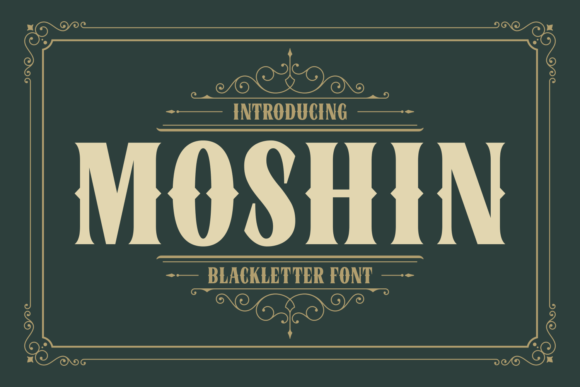
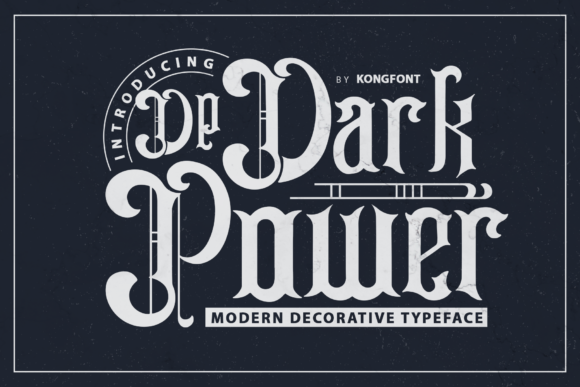
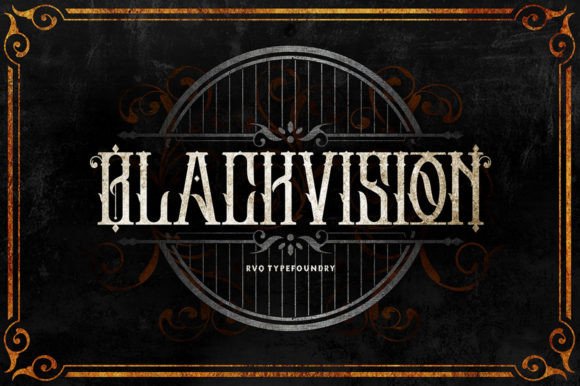
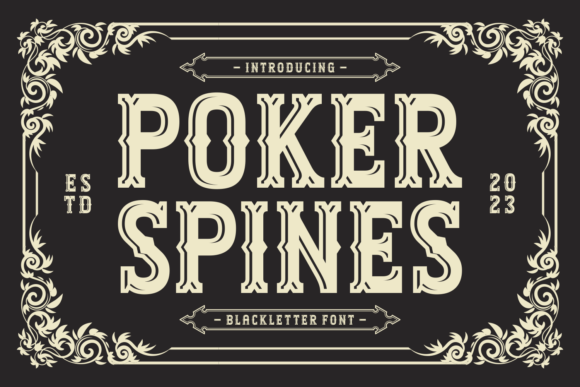
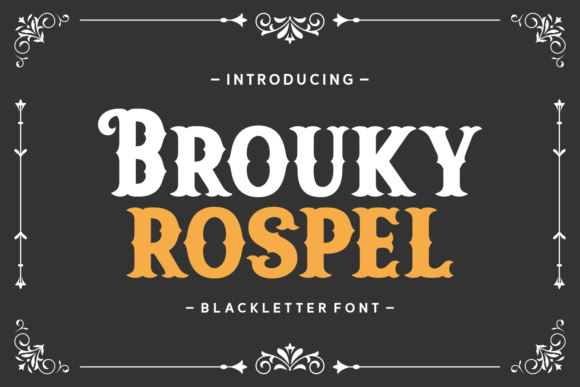
In the world of graphic design and visual communication, the choice of typeface is rarely just an aesthetic decision; it is a strategic one. Fonts carry weight, history, and personality before a single word is read. For designers, marketers, and content creators seeking to make a bold statement, finding a typeface that balances historical gravitas with modern versatility can be a challenge. This is where Brouky Rospel enters the conversation. As a captivating blackletter font characterized by its thick and elegant strokes, Brouky Rospel offers a unique solution for creating eye-catching typography that demands attention.
This article explores how you can leverage the distinctive qualities of Brouky Rospel to elevate your projects, from digital marketing campaigns to physical merchandise. We will look at the specific challenges designers face when trying to stand out in a crowded visual landscape and demonstrate how this remarkable typeface addresses those needs through practical application and thoughtful implementation.
Understanding the Appeal of Blackletter Design
Before diving into the specifics of Brouky Rospel, it is essential to understand the broader context of blackletter typography. Historically associated with medieval manuscripts and early printing presses, blackletter fonts evoke a sense of tradition, authority, and craftsmanship. However, in contemporary design, using such a heavy, ornate style carries inherent risks. If used incorrectly, these fonts can appear cluttered, difficult to read, or outdated.
The primary challenge for users is balancing legibility with stylistic impact. Many designers avoid blackletter entirely because they fear it limits their audience reach or clashes with modern minimalist trends. The goal is to find a typeface that retains the dramatic flair of the old world while remaining accessible and functional in new media environments. Brouky Rospel is designed to meet this exact need. Its thick lines provide presence, while its elegant structure ensures that it does not overwhelm the viewer’s eye.
Why Brouky Rospel Stands Out
Brouky Rospel is not merely a decorative element; it is a tool for hierarchy and emphasis. What makes this typeface particularly useful for modern projects is its ability to act as a focal point. Unlike standard sans-serif or serif fonts that blend into the background, Brouky Rospel commands space. It is perfect for situations where you need to immediately capture attention without relying solely on color or imagery.
The font’s "thick and elegant" nature allows it to work well in both large-scale displays and detailed close-ups. When rendered at high resolutions, the intricate details of the letterforms shine, adding a layer of sophistication to any brand identity. Conversely, when scaled down for smaller applications, its bold weight ensures it remains readable, provided it is used sparingly. This duality makes Brouky Rospel a versatile asset for professionals who need a single font to bridge the gap between heritage branding and modern appeal.
Practical Applications Across Media
To truly appreciate the utility of Brouky Rospel, we must look at how it functions across different mediums. Here are several key areas where this typeface delivers exceptional results:
- Posters and Event Branding: For music festivals, art exhibitions, or cultural events, Brouky Rospel provides an instant atmospheric cue. It suggests exclusivity and artistic depth. When paired with simple, clean body text, the headline becomes the star, guiding the viewer’s eye directly to the event name or main message.
- Logos and Brand Identities: Brands looking to convey strength, stability, or a connection to tradition often struggle to find a modern interpretation of classic styles. A logo featuring Brouky Rospel can signal reliability and premium quality. It is particularly effective for brands in the craft beer, artisanal food, or luxury fashion sectors, where storytelling and heritage are central to the value proposition.
- T-Shirt and Merchandise Design: Apparel design requires graphics that hold up under scrutiny and wear. The thick strokes of Brouky Rospel translate beautifully to screen printing and embroidery, ensuring durability and clarity. It adds a touch of rebellion or classic cool to streetwear designs, making it a favorite among independent clothing labels.
- Web Headers and Digital Ads: In the digital realm, white space is precious. Using Brouky Rospel for website headers or call-to-action buttons can break the monotony of standard web fonts. It creates a memorable first impression, increasing the likelihood of user engagement. However, it should be used for short strings of text only, ensuring that loading times remain fast and readability stays high.
Strategic Implementation Tips
While Brouky Rospel is powerful, its effectiveness depends entirely on how it is implemented. To get the best outcomes, users should follow a few practical guidelines:
- Pairing is Key: Never let Brouky Rospel do all the heavy lifting. Pair it with a highly legible, neutral sans-serif font for body copy. This contrast highlights the elegance of the blackletter while ensuring your information is easily digestible. For example, use Brouky Rospel for titles and a clean geometric sans-serif for descriptions.
- Control the Volume: Blackletter fonts are dense. Avoid long paragraphs set in this typeface, as they create a "wall of text" effect that fatigues the reader. Use it for headlines, quotes, logos, and short accents. Let the negative space around the letters breathe.
- Consider Color Contrast: Because of the intricate details in the letters, low-contrast color combinations (like dark grey on black) can cause the font to disappear. Ensure there is sufficient contrast between the text and the background to maintain the integrity of the design.
Addressing Different User Needs
Different professionals approach typography with different goals. For a freelance graphic designer, Brouky Rospel might be the secret weapon to win over clients who want a "premium" look but don't know how to articulate it. It provides an immediate upgrade to their portfolio pieces.
For small business owners, the need is often about differentiation. In a market saturated with generic templates, using a distinctive font like Brouky Rospel helps a brand feel custom-made and thoughtfully curated. It signals to the customer that the business pays attention to detail.
Even experienced typographers might turn to Brouky Rospel when working on projects that require a specific mood—such as Halloween themes, fantasy literature covers, or retro-inspired advertisements. Its ability to evoke a specific era makes it a valuable resource for narrative-driven design.
Conclusion
Selecting the right typeface is about solving a communication problem. You need to convey a message clearly while also evoking an emotional response. Brouky Rospel excels at the latter without sacrificing the former, provided it is used with intention. By understanding its strengths as a thick, elegant, and captivating blackletter font, you can transform ordinary layouts into extraordinary visual experiences.
Whether you are designing a poster that needs to stop traffic, a logo that needs to build trust, or a t-shirt that needs to express personality, Brouky Rospel offers a robust solution. Embrace its character, pair it wisely, and watch your typography come to life. In a digital age dominated by minimalism, sometimes the most effective way to be heard is to speak with volume and style.