Ornate Gothic: Elevating Brand Identity with Antique Blackletter Typography
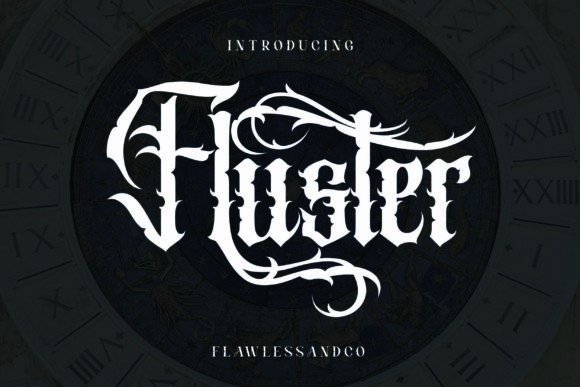
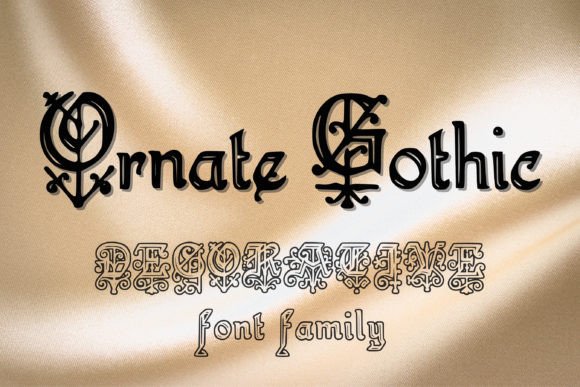
In an era where digital interfaces dominate our visual landscape, the demand for authentic, tactile, and historically rooted design elements has surged. Among the tools available to modern designers and brand strategists, Ornate Gothic stands out as a splendid, antique blackletter font that will impress with its stylish features. This typeface is not merely a decorative choice; it is a strategic asset for product packaging, branding, or other projects that need bold and daring typography.
The resurgence of serif and blackletter fonts in contemporary design reflects a broader cultural shift toward craftsmanship, heritage, and distinctiveness. As consumers become increasingly fatigued by minimalist, homogenized aesthetics, brands are turning to typography that conveys weight, history, and authority. Ornate Gothic serves this need perfectly, offering a bridge between medieval artistry and modern commercial application.
The Evolution of Blackletter in Modern Design
Blackletter, often referred to as Gothic script, originated in Western Europe during the 12th century. For centuries, it was the dominant style of writing in the region, used for everything from religious manuscripts to legal documents. However, with the advent of the Renaissance and later the Industrial Revolution, blackletter fell out of favor in many contexts, replaced by more legible Roman and italic types.
Yet, the font never truly disappeared. It found new life in subcultures, music genres like heavy metal and punk, and niche markets such as craft brewing and artisanal goods. Today, we are witnessing a sophisticated revival. Designers are no longer using blackletter solely to evoke rebellion or archaic solemnity. Instead, they are leveraging its intricate structure to add luxury, exclusivity, and narrative depth to their work.
Ornate Gothic capitalizes on this evolution. Unlike older, harder-to-read blackletter variants, modern interpretations like Ornate Gothic are refined for clarity while retaining the dramatic flair of their ancestors. This balance makes them suitable for a wider range of applications, from high-end fashion labels to tech startups looking to inject personality into their user interfaces.
Why Ornate Gothic Stands Out
Not all decorative fonts are created equal. When selecting a typeface for professional use, creators must consider readability, versatility, and emotional resonance. Ornate Gothic excels in these areas due to several key characteristics:
- Distinctive Character Shapes: The font features elaborate flourishes and sharp angles that command attention. These stylistic features make headlines and logos instantly recognizable.
- Versatility Across Media: While blackletter can be challenging to render at small sizes, Ornate Gothic is optimized for impact. It performs exceptionally well in large-scale applications such as billboards, packaging, and web headers.
- Cultural Association: The font carries inherent associations with tradition, quality, and authenticity. Using it signals to the audience that a product or service values craftsmanship over mass production.
For entrepreneurs and marketers, these attributes translate into tangible benefits. A brand identity built around Ornate Gothic can differentiate itself in crowded markets. Whether you are launching a new line of artisanal chocolates or rebranding a heritage clothing label, the typography sets the tone before the customer even reads the tagline.
Practical Applications for Creators and Businesses
Understanding the theoretical appeal of Ornate Gothic is one thing; applying it effectively is another. Here are practical scenarios where this font delivers maximum value.
Product Packaging and Labeling
Packaging is the first physical touchpoint between a brand and its consumer. In industries like food and beverage, cosmetics, and spirits, shelf presence is critical. Ornate Gothic’s bold and daring nature ensures that products stand out in a sea of clean, sans-serif competitors.
Consider a craft brewery launching a limited-edition stout. By using Ornate Gothic for the label, the brand evokes the imagery of old-world brewing traditions, suggesting richness and complexity in flavor. Similarly, luxury skincare brands might use the font for accent text or logos to convey a sense of timeless elegance and premium quality.
Branding and Logo Design
A logo is the cornerstone of any brand identity. Ornate Gothic can serve as the primary typeface for businesses that want to project strength, heritage, or artistic flair. However, caution is advised. Because of its ornate nature, it should be used sparingly in logo construction to avoid clutter.
Best practices include pairing Ornate Gothic with simpler, neutral sans-serif fonts for secondary information. This contrast creates visual hierarchy, guiding the viewer’s eye to the most important elements. For example, a coffee shop might use Ornate Gothic for its name and a clean Helvetica for menu items and hours of operation.
Digital Marketing and Web Design
While blackletter was once considered unsuitable for screens, advancements in CSS and web typography have expanded its possibilities. Ornate Gothic can be used effectively for hero banners, call-to-action buttons, and section headers in digital campaigns.
For bloggers and content creators, incorporating Ornate Gothic into featured images or pull quotes can enhance the aesthetic appeal of articles, particularly those related to history, literature, or arts. It adds a layer of sophistication that plain text cannot achieve. However, body copy should always remain in highly readable fonts to ensure accessibility and user experience.
Navigating Trends Without Losing Authenticity
Design trends are cyclical, but effective branding is enduring. One of the risks of adopting a trendy font like Ornate Gothic is the potential for the design to feel dated quickly. To mitigate this, focus on timeless principles of composition and color theory.
Pair the font with a restrained color palette. Gold, deep reds, blacks, and creams complement the antique feel of blackletter without overwhelming the viewer. Avoid neon colors or overly complex backgrounds that compete with the font’s intricate details.
Furthermore, consider the long-term goals of your brand. If you are building a company that aims to grow and adapt, ensure that the use of Ornate Gothic aligns with your core values. Is your brand about tradition? Innovation? Rebellion? The font should reinforce, not contradict, your message.
Technical Considerations for Implementation
Before integrating Ornate Gothic into your projects, there are technical aspects to address. Licensing is paramount. Ensure you have the appropriate rights to use the font for both personal and commercial purposes. Many premium fonts offer different license tiers depending on usage volume and distribution method.
Additionally, test the font across various devices and resolutions. Blackletter fonts can lose detail if scaled down too much or rendered poorly on low-resolution screens. Use vector formats (such as SVG) for logos and icons to maintain crispness at any size. For web use, implement fallback fonts in case the custom font fails to load, ensuring a consistent user experience.
The Future of Ornate Typography
As technology continues to evolve, so do the ways we interact with text. Augmented reality (AR) and virtual reality (VR) present new opportunities for dynamic typography. Imagine a product package that, when scanned, reveals an animated version of the Ornate Gothic logo, bringing the static design to life.
Moreover, the growing emphasis on sustainability and ethical consumption favors brands that communicate authenticity. Ornate Gothic, with its roots in hand-crafted traditions, aligns well with these values. Brands that use the font thoughtfully can signal their commitment to quality and care, resonating with conscious consumers.
Conclusion
Ornate Gothic is more than just a font; it is a powerful communication tool. Its splendid, antique blackletter style offers a unique way to capture attention and convey depth in a noisy world. By understanding its historical context, practical applications, and technical requirements, creators and businesses can leverage this typeface to build stronger, more memorable identities.
Whether you are designing product packaging, crafting a brand logo, or enhancing a digital campaign, Ornate Gothic provides the bold and daring typography needed to make a lasting impression. Embrace its stylish features, respect its complexities, and let it elevate your creative projects to new heights.