Rosta Vinta: Elevate Your Brand with Vintage Boldness
In a digital landscape saturated with clean, minimalist sans-serifs and geometric modern typography, standing out requires a deliberate shift in direction. Sometimes, the most effective way to capture attention is not through subtlety, but through presence. This is where Rosta Vinta enters the conversation. It is not merely a typeface; it is a statement piece designed for those who understand that visual hierarchy is driven by contrast and character.
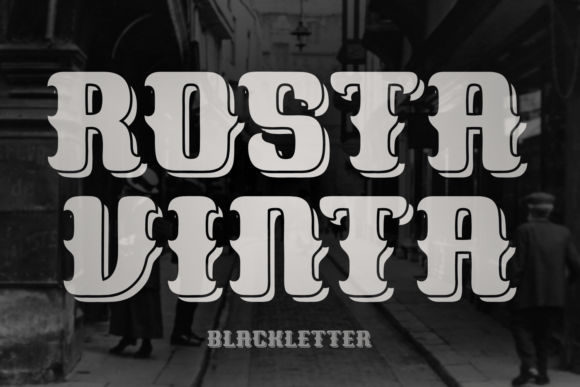
Rosta Vinta is a bold and stylish blackletter font that adds a touch of vintage flair to your projects. Its unique and intricate design brings a classic, yet contemporary edge to your text. Perfect for giving your creations a strong and distinctive look, Rosta Vinta is an excellent choice for anyone seeking a blend of tradition and modernity in their typography. Whether you are a seasoned graphic designer crafting a brand identity or a small business owner creating social media graphics, understanding how to wield this creative font can significantly impact your audience engagement.
The Visual Personality of Rosta Vinta
To appreciate Rosta Vinta, one must first look at its structural DNA. As a display font rooted in the blackletter tradition, it carries the weight and authority of medieval calligraphy but strips away the historical baggage that often makes such fonts difficult to use in modern contexts. The result is a typeface that feels both ancient and immediately relevant.
The visual characteristics of Rosta Vinta are defined by high contrast and sharp, angular terminals. Unlike a traditional serif font, which offers subtle transitions between stroke weights, Rosta Vinta embraces dramatic shifts. This creates a textured, almost woven appearance when set in larger sizes. The ink traps—the small spaces where strokes meet—are precise, ensuring that the letterforms remain crisp even when scaled down slightly, though it remains primarily a premium font intended for headlines and large-scale applications rather than body copy.
This intricate design brings a classic, yet contemporary edge to your text. It avoids the cliché of looking like a generic "old west" or "gothic" template. Instead, it offers a refined aesthetic that suggests craftsmanship, heritage, and quality. For brands in the craft beer industry, artisanal food production, or luxury goods, this personality aligns perfectly with values of authenticity and time-honored methods. However, its boldness also allows it to work surprisingly well in streetwear branding and music event posters, where aggression and energy are desired traits.
Strategic Applications Across Industries
One of the most common mistakes designers make is overusing decorative typefaces. Rosta Vinta demands respect in its placement. Because of its heavy visual weight, it serves best as a focal point. Here is how it translates across various professional domains:
- Logo Design and Brand Identity: When used sparingly, Rosta Vinta can anchor a logo, providing immediate recognition. It pairs exceptionally well with thin, modern sans serif fonts for subheads, creating a dynamic tension between old and new. This combination is highly effective for establishing a memorable brand identity that feels established yet fresh.
- Packaging Design: On shelves, visibility is currency. A product label featuring Rosta Vinta commands attention. It works particularly well for packaging design in sectors like specialty coffee, hot sauce, or premium spirits, where the consumer is looking for something with character and story.
- Editorial Design and Publishing: For magazine covers, book titles, or chapter headers, this font adds gravitas. It transforms a standard headline into an editorial statement. In long-form content, using Rosta Vinta for pull quotes or key takeaways can break up dense text and guide the reader’s eye effectively.
- Social Media Graphics and Web Design: In the fast-scrolling world of Instagram or LinkedIn, static images need to stop the thumb. Large, bold typography in Rosta Vinta ensures your message is read before the image is fully processed. For web design, it is ideal for hero sections or landing page headers where the goal is to make a strong first impression.
Beyond Traditional Boundaries
It is also worth noting the versatility of Rosta Vinta in personal and commercial projects beyond mainstream advertising. Crafters and hobbyists use it for custom signage, wedding invitations (particularly for rustic or gothic-themed events), and personalized merchandise. Entrepreneurs might find it useful for limited-edition drops or exclusive member-only communications, where the font itself signals exclusivity.
Readability, Hierarchy, and Audience Perception
Typography is never just about aesthetics; it is about communication. The choice of Rosta Vinta sends a specific psychological signal to your audience. It conveys confidence, strength, and a certain level of sophistication. However, this power comes with responsibilities regarding readability and visual hierarchy.
Because the font is intricate, it can become visually noisy if used excessively. Overusing Rosta Vinta for paragraphs of text will fatigue the reader and reduce comprehension. Therefore, its primary role is to establish hierarchy. By using it for headlines and secondary headings, you create a clear path for the eye. The rest of the text should be handled by a neutral, highly legible typeface—typically a clean sans serif font or a simple serif font—that does not compete with the decorative nature of the display font.
This strategic pairing enhances professionalism. A brand that knows when to let a bold font shine and when to step back demonstrates design maturity. Consistency in this approach builds trust. When your typography is coherent, your audience perceives your brand as reliable and detail-oriented. Conversely, mixing too many competing styles can dilute your message and confuse potential customers.
Practical Guidance for Implementation
Before integrating Rosta Vinta into your next project, consider these practical steps to ensure maximum impact and legal compliance.
- Evaluate Project Fit: Ask yourself if the tone of your project supports a bold, historic aesthetic. If you are designing a medical app or a financial dashboard, Rosta Vinta may feel out of place. Reserve it for projects where warmth, history, or boldness is a core value.
- Test Font Pairings: Experiment with combining Rosta Vinta with lighter weights of similar or contrasting families. A light geometric sans serif can balance the heavy blackletter structure beautifully. Avoid pairing it with other decorative fonts, as this will create visual chaos.
- Review Included Styles: Check the full suite of design assets included with the font. Does it offer italics, bold variants, or alternate characters? Utilizing these variations can add nuance to your designs without needing additional purchases.
- Consider Readability Constraints: Always test your design at the actual size it will be viewed. What looks striking on a 4K monitor might be illegible on a mobile screen thumbnail. Ensure the x-height and spacing allow for quick reading.
- Verify Commercial Licensing: As a commercial font, proper licensing is essential. Ensure you have the correct rights for your specific use case, whether it is digital web usage, print runs, or merchandise. Ignoring licensing can lead to costly legal issues and damage your reputation.
Ultimately, Rosta Vinta is more than just a decorative element. It is a tool for storytelling. By leveraging its bold, vintage-inspired character, you can infuse your projects with a sense of depth and personality that resonates with audiences tired of the sterile. Use it wisely, pair it thoughtfully, and let its distinctive voice amplify your message.